
Understanding Purity Specifications for Reference Materials

A purity specification is the set of numerical boundaries a batch of reference material is expected to fall within before it is considered acceptable for release. These boundaries typically cover the main compound's purity percentage, limits on individual and total impurities, and sometimes additional parameters such as residual water content or solvent levels. Specifications give both suppliers and receiving laboratories a shared, objective reference point against which a batch result can be judged.
Specifications are not arbitrary; they are set based on what is analytically achievable for a given synthesis and purification route, and on what is appropriate for the intended research use of the material. A specification that is unrealistically tight for the manufacturing process behind it is not meaningful, just as a specification that is too loose provides little useful quality assurance.
This article explains how purity specifications are typically structured, what impurity profiles and water content figures represent, and how a laboratory should interpret a batch result relative to its stated specification.
What a specification limit represents
A specification limit is usually expressed as a minimum, a maximum, or a range. For a purity assay, this is commonly a minimum value, such as 'not less than 98.0%'. For an impurity or contaminant, it is typically a maximum, such as 'not more than 0.5% of any single unspecified impurity'. A batch result that falls within these bounds is considered to conform to specification; a result outside the bounds does not.
It is worth distinguishing between a specification and a typical result. A specification sets the acceptable boundary, while the typical or historical result for a well-controlled process is often comfortably inside that boundary. Reviewing a supplier's actual batch-to-batch results over time, not just the specification on paper, gives a better sense of real manufacturing consistency.
Purity percentage: what it measures and what it does not
The headline purity percentage reflects the proportion of the sample attributed to the target compound by a specific analytical method, as discussed in our companion article on HPLC, GC-MS and NMR testing. It is a relative figure tied to the detection method used, not an absolute statement about every possible trace constituent of the sample.
Two batches both reported as '99% pure' are not automatically identical in composition; the nature of the remaining ~1% can differ considerably. This is why a full specification looks beyond the single purity number to the impurity profile underneath it.
Impurity profiles
An impurity profile lists the impurities detected in a sample, either individually or grouped, along with their respective levels. A thorough impurity profile distinguishes between specified impurities, which are known and expected compounds related to the manufacturing process, and unspecified impurities, which are unidentified peaks below a reporting threshold.
Specified vs. unspecified impurities
Specified impurities are typically named or otherwise identified and given individual limits based on known manufacturing chemistry. Unspecified impurities are usually controlled through a generic limit — for example, 'any single unspecified impurity not more than 0.10%' — combined with a total impurity limit covering the sum of all minor peaks.
Why total impurity limits matter
A total impurity limit prevents a batch from technically passing a single-peak limit while still containing an unacceptably high combined level of minor impurities. Reviewing both individual and total limits together gives a more complete picture than looking at either figure alone.
Water content and related physical parameters
Many reference materials, particularly hygroscopic powders, include a water content or loss-on-drying specification. This measures the proportion of a sample's mass lost under defined heating or drying conditions, which is generally attributed to residual moisture rather than the compound itself.
Water content matters for several practical reasons: it affects the accuracy of weight-based calculations for research use, it can influence long-term stability during storage, and elevated moisture can sometimes be an early indicator of inadequate packaging or storage conditions upstream.
- Loss-on-drying (LOD): weight loss under controlled heating, often used as a proxy for moisture
- Karl Fischer titration: a more specific analytical method for quantifying water content directly
- Residual solvent limits: relevant where a manufacturing process uses solvents that may persist at trace levels
How specifications relate to storage and handling
A specification describes a batch's condition at the point of release or testing; it does not guarantee that the material will remain within those limits indefinitely under all storage conditions. Improper storage — exposure to heat, light, or moisture — can degrade a material over time regardless of how tightly it met specification when it was tested. Our article on storing reference materials in the laboratory covers this in more detail.
For this reason, some suppliers also provide a re-test or review date on the CoA, indicating a point at which re-analysis is recommended if the material is still in use.
Evaluating a supplier's specifications
When comparing suppliers, look beyond the headline purity number and consider whether impurity limits, water content, and method references are all disclosed. A supplier willing to share its full specification, not just a single purity percentage, is generally offering a more complete and verifiable quality picture.
ChemLab Kaufen documents purity, relevant impurity information and, where applicable, water content on batch-specific documentation supplied with orders. Questions about the specification for a particular reference material can be directed to support@chemlabkaufen.nl or via WhatsApp at +49 1578 3358297.
Conclusion
Overall, a specification is more than a single percentage; it is a structured set of limits covering the target compound's purity, the profile of impurities present, and often additional parameters such as water content. Reading a specification in full, rather than focusing only on the headline number, gives a laboratory a far more reliable basis for judging whether a batch is suitable for its intended research use.
If you need clarification on the specification behind a particular reference material before ordering, contact the ChemLab Kaufen team via support@chemlabkaufen.nl, WhatsApp at +49 1578 3358297, or the live chat at chemlabkaufen.nl.
Frequently asked questions
What does 'not less than 98%' mean on a specification?
It means the batch must show a purity result of 98% or higher by the stated analytical method to be considered acceptable. Results below this threshold would fall outside specification and should prompt further review or rejection of the batch.
Is a tighter specification always better?
Not necessarily. A specification should be realistic relative to what the manufacturing and purification process can consistently achieve. An overly tight specification that is frequently missed is less useful than a realistic one that a process reliably meets batch after batch.
What is the difference between purity and impurity limits?
Purity limits set a minimum acceptable level of the target compound, while impurity limits set maximum acceptable levels of other detected substances, either individually or in total. Both are usually needed to fully describe a batch's quality profile.
Why do some CoAs list water content separately from purity?
Water content is a distinct physical parameter, often measured by a different method such as loss-on-drying or Karl Fischer titration, and is reported separately because it affects storage stability and weight-based accuracy rather than chemical identity or purity directly.
Can a batch pass purity testing but still degrade later?
Yes. A specification reflects the batch's condition at the time of testing. Subsequent storage conditions, such as exposure to heat, light or moisture, can affect stability over time regardless of the original test result, which is why proper storage practices remain important after receipt.
How can I compare specifications between two suppliers?
Request the full specification, not just the purity percentage, including impurity limits, water content where relevant, and the analytical methods used. Comparing complete specifications side by side gives a much clearer picture than comparing single numbers in isolation.
Browse the catalogue
Reference materials discussed in this guide
 3 CMC
3 CMC€ 380 – € 5.600
Pulver-Referenzmaterialien 2-MMC
2-MMC€ 360 – € 5.200
Pulver-Referenzmaterialien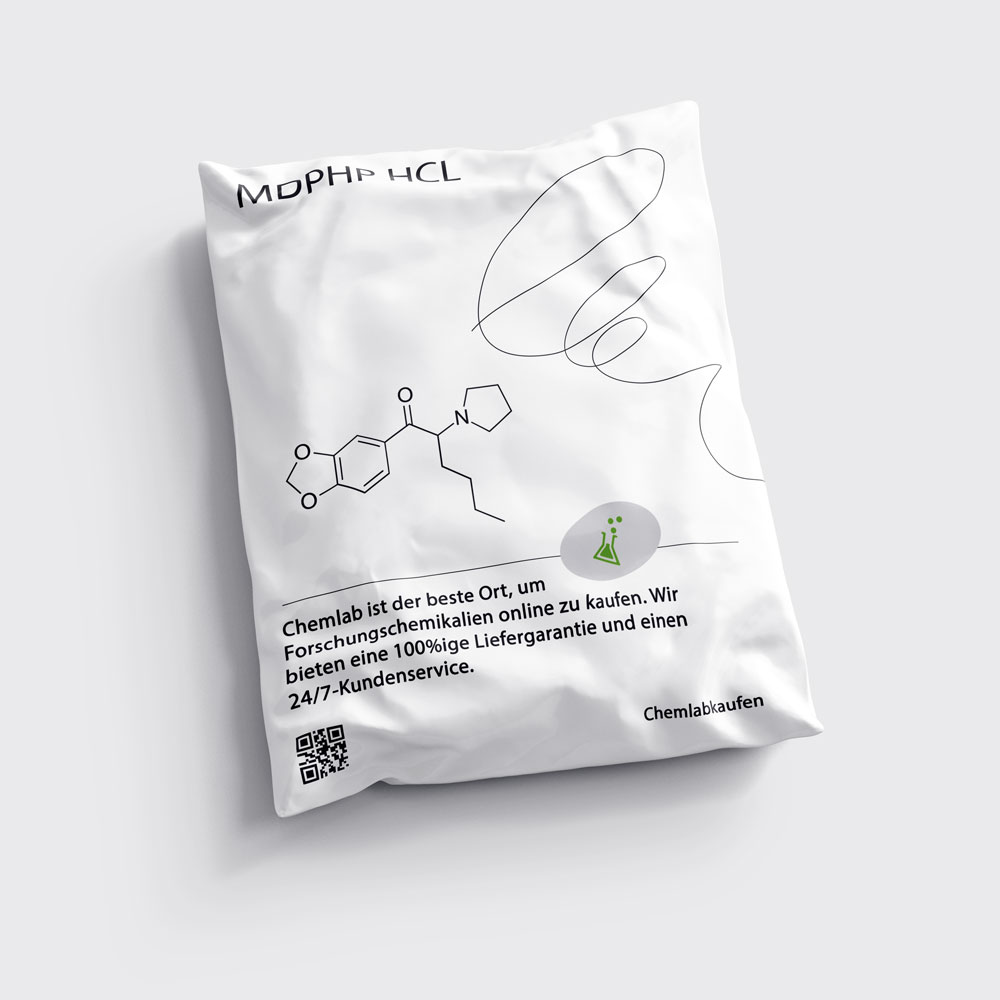 MDPHP HCL
€ 400 – € 6.000
Pulver-Referenzmaterialien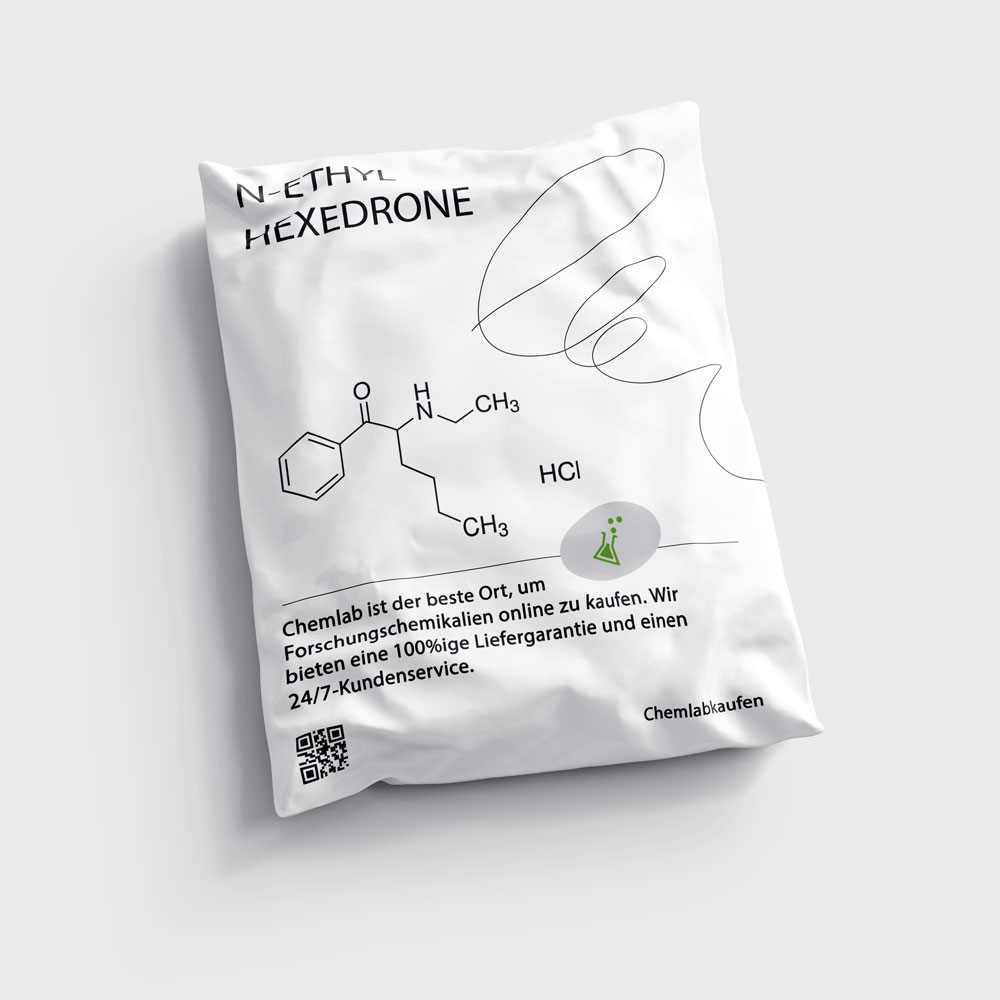 N-Ethyl-Hexedrone
€ 375 – € 5.500
Pulver-Referenzmaterialien Diclazepam Pulver
€ 800 – € 14.000
Pulver-ReferenzmaterialienRelated articles
- Certificate of Analysis Explained: How to Read a CoA
A Certificate of Analysis is the primary quality document accompanying a reference material. Here is what it should contain and how to interpret it.
- HPLC, GC-MS and NMR Purity Testing Explained
HPLC, GC-MS and NMR are the three analytical techniques most commonly cited on Certificates of Analysis. Here is what each one actually measures.
- Storing Reference Materials in the Laboratory: General Best Practice
An overview of the general storage principles laboratories apply to reference materials, from container choice to access control, without protocol-level detail.
All materials referenced on chemlabkaufen.nl are supplied strictly for laboratory and research use. They are not intended for human or animal consumption, medical use or household use.