
HPLC, GC-MS and NMR Purity Testing Explained
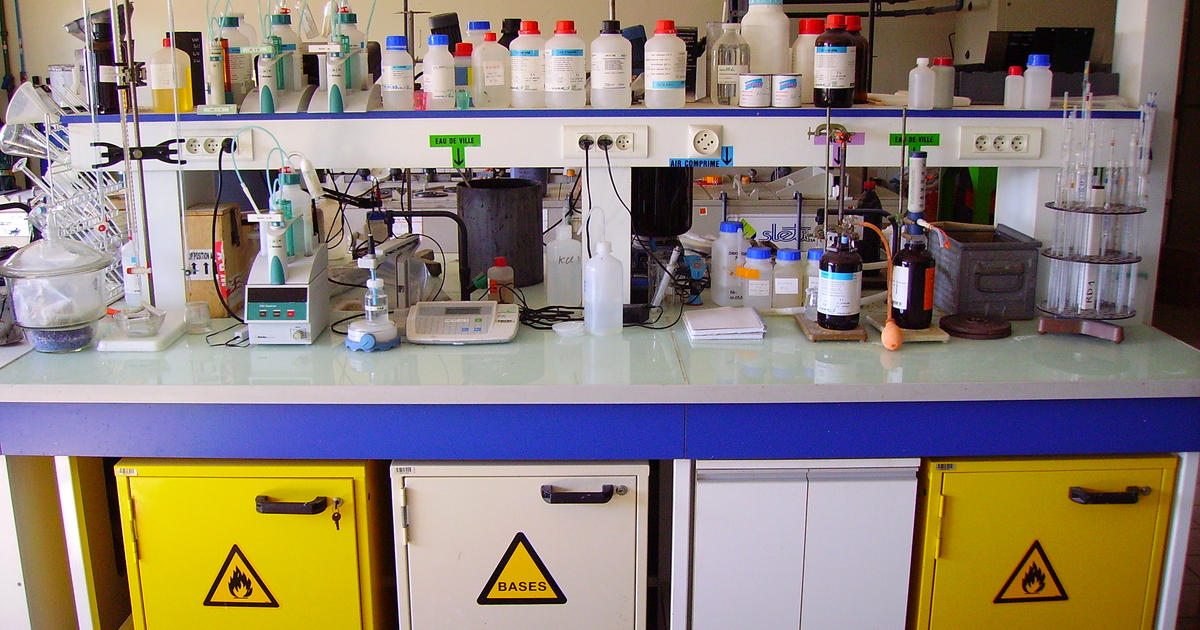
Every purity figure printed on a Certificate of Analysis is the output of a specific analytical technique, applied under specific conditions, by a specific instrument. Three techniques dominate this space for laboratory reference materials: high-performance liquid chromatography (HPLC), gas chromatography coupled with mass spectrometry (GC-MS), and nuclear magnetic resonance spectroscopy (NMR). Each answers a slightly different question, and understanding the difference helps a laboratory interpret documentation more critically.
None of these techniques is inherently superior in every situation. Each has strengths for certain classes of compound, certain impurity types, and certain practical constraints such as sample volatility or solubility. Suppliers and contract laboratories choose a technique, or a combination of techniques, based on what is appropriate for the material being tested.
This article explains what each method actually measures, how the resulting data typically appears on a report, and why combining methods often produces a more complete picture than relying on a single technique alone.
High-performance liquid chromatography (HPLC)
HPLC separates the components of a sample as they pass through a column packed with a stationary phase, carried by a liquid mobile phase under high pressure. Different compounds travel through the column at different rates depending on their chemical properties, emerging at different times and producing distinct peaks on a chromatogram.
A detector, most commonly a UV absorbance detector, measures each peak as it elutes. The area of the peak corresponding to the target compound, expressed as a percentage of the total peak area, is the basis for the purity figure most often seen on a CoA. HPLC is widely used because it works well for compounds that are not easily vaporised and can be run at ambient or near-ambient temperature.
Gas chromatography–mass spectrometry (GC-MS)
GC-MS combines two techniques. Gas chromatography separates volatile compounds as they travel through a column in a gas stream, similarly to HPLC but using a gas rather than a liquid mobile phase. As each separated compound exits the column, it passes into a mass spectrometer, which fragments the molecule and measures the mass-to-charge ratio of the resulting fragments.
The resulting fragmentation pattern acts as a kind of chemical fingerprint, which can be compared against reference spectra to confirm the identity of a compound, not just its relative quantity. This makes GC-MS particularly useful for identity confirmation and for detecting unexpected trace compounds that a simple UV-based method might miss.
Why identity and purity are reported separately
A chromatogram alone tells you that something separated cleanly; it does not by itself confirm what that peak is. GC-MS's mass spectral data adds identity confirmation, which is why some Certificates of Analysis report an identity result and a purity result as two distinct lines rather than a single combined figure.
Nuclear magnetic resonance spectroscopy (NMR)
NMR works on a different physical principle entirely. It places a sample in a strong magnetic field and measures how atomic nuclei, typically hydrogen or carbon, respond to a radiofrequency pulse. The resulting spectrum reflects the chemical environment of each nucleus, producing a detailed structural map of the molecule.
Because NMR reports on the whole molecular structure rather than relying on separation and detection of individual peaks, it is often used as a structural confirmation and purity cross-check alongside chromatographic methods, particularly when a laboratory wants independent confirmation that is not dependent on the same separation principles as HPLC or GC.
Comparing the three techniques
No single technique captures every aspect of identity and purity, which is why combining methods is common practice among laboratories that produce thorough documentation.
- HPLC: strong for quantitative purity of non-volatile compounds, moderate identity confirmation via retention time and UV spectrum
- GC-MS: strong identity confirmation via mass fragmentation, well suited to volatile or semi-volatile compounds
- NMR: strong structural confirmation independent of chromatographic separation, useful for detecting certain impurity types that chromatography can miss
- Combined methods provide cross-validation: an unexpected difference between two techniques is a signal worth investigating further
Reading method references on a Certificate of Analysis
When a CoA states a method such as 'Purity: 99.1% (HPLC-UV, 254 nm)', each part of that statement is informative: the numeric result, the technique, the detection wavelength. A laboratory reviewing documentation should look for this level of specificity rather than accepting an unqualified purity percentage with no stated method.
If a report references NMR data, check whether the actual spectrum or only a summary interpretation is provided. A summary is easier to produce but a full spectrum allows for independent review by a laboratory with its own spectroscopic expertise.
Practical implications for laboratory procurement
For most research applications, a CoA backed by at least one chromatographic method (HPLC or GC-MS) with a stated identity confirmation step is a reasonable baseline. Laboratories with more demanding internal quality requirements may request NMR data in addition, particularly for novel or less well-characterised materials.
Understanding these methods also helps when comparing documentation between suppliers: a report that names the specific technique, instrument parameters, and reference standard used is generally more transparent than one that states only a bare percentage.
Conclusion
HPLC, GC-MS and NMR each contribute a different kind of evidence about a reference material's identity and purity. HPLC is the workhorse for quantitative purity, GC-MS adds strong identity confirmation through mass fragmentation, and NMR offers an independent structural cross-check. Recognising which method underlies a given number on a Certificate of Analysis makes that document far more informative than treating the purity percentage as a standalone figure.
For questions about which analytical methods back a particular reference material's documentation, reach out to the ChemLab Kaufen team via support@chemlabkaufen.nl, WhatsApp at +49 1578 3358297, or the live chat on chemlabkaufen.nl.
Frequently asked questions
Which method is most accurate for purity testing?
None is universally 'most accurate'; each measures something slightly different. HPLC is generally the standard for quantitative purity of non-volatile compounds, while GC-MS and NMR contribute identity and structural confirmation. The most reliable documentation typically combines more than one method rather than relying on a single technique.
Why might two purity results for the same batch differ slightly?
Different techniques and different instrument parameters can produce small variations in reported purity because each method detects and quantifies compounds slightly differently. A small discrepancy between methods is normal and does not necessarily indicate a problem with the batch.
What does 'identity confirmed by GC-MS' mean on a CoA?
It means the mass spectral fragmentation pattern obtained from the sample was compared against a known reference spectrum and found to match, supporting the conclusion that the sample contains the stated compound rather than confirming a specific purity percentage.
Is NMR testing necessary for every reference material?
Not necessarily. NMR is a valuable independent cross-check, particularly for novel or complex compounds, but many laboratories consider a well-documented HPLC or GC-MS result, with clear method parameters, sufficient for routine procurement decisions.
Can these techniques detect all possible impurities?
No single technique detects everything; each has detection limits and blind spots depending on the impurity's chemical properties. This is precisely why suppliers who use complementary methods, and who disclose method details, tend to produce more trustworthy documentation.
What should I look for in an analytical report beyond the purity number?
Look for the stated method, instrument parameters (such as detection wavelength for HPLC), the date of analysis, and whether the report distinguishes between an identity result and a quantitative purity result. Together these details indicate a more rigorous analytical process.
Browse the catalogue
Reference materials discussed in this guide
 4F-ADB
€ 345 – € 4.900
Pulver-Referenzmaterialien Alpha-PHP
€ 375 – € 5.000
Pulver-Referenzmaterialien Flualprazolam
€ 400 – € 6.000
Pulver-Referenzmaterialien 3-FPM
3-FPM€ 365 – € 5.300
Pulver-Referenzmaterialien JWH 210
€ 420 – € 6.400
Pulver-ReferenzmaterialienRelated articles
- Certificate of Analysis Explained: How to Read a CoA
A Certificate of Analysis is the primary quality document accompanying a reference material. Here is what it should contain and how to interpret it.
- Understanding Purity Specifications for Reference Materials
Purity specifications set the boundaries a batch must fall within. This guide explains how these limits are defined and what the figures actually mean.
- Batch Numbers and Traceability in Reference Material Supply
Batch numbering ties a physical container back to its manufacturing history and test data. Here is how traceability systems work in practice.
All materials referenced on chemlabkaufen.nl are supplied strictly for laboratory and research use. They are not intended for human or animal consumption, medical use or household use.