
Batch Numbers and Traceability in Reference Material Supply

Every reliable reference material supply chain is built around the humble batch number. A batch number, sometimes called a lot number, is a unique identifier assigned to a defined quantity of material produced or packaged together under uniform conditions. It is the thread that connects a physical container on a laboratory shelf back to its manufacturing record, analytical testing, and Certificate of Analysis.
Traceability — the ability to follow that thread in both directions, from raw material to finished container and back again — is not a bureaucratic nicety. It is the mechanism that allows a supplier or laboratory to isolate a problem to a specific batch rather than an entire product line, and it is what makes a meaningful recall or corrective action possible if an issue is ever identified.
This article explains how batch numbering systems typically work, what a retained sample is and why it matters, and how traceability underpins a supplier's ability to respond quickly and precisely if a quality issue arises.
What a batch number actually identifies
A batch number typically identifies a specific production run, packaging run, or repackaging event carried out under consistent conditions. Depending on the supplier's internal system, the number itself may encode information such as a date code, a production line, or a sequential count — or it may be a simple alphanumeric code with no embedded meaning, relying instead on an internal database lookup.
What matters more than the format is consistency: the same batch number must appear on the container label, the accompanying CoA, and any internal records the supplier keeps, so that all three can be cross-referenced without ambiguity.
How batch numbers connect to analytical data
Each batch number should map to a specific set of analytical results generated for that batch — the purity figure, impurity profile, and any additional parameters reported on the CoA. This link is what allows a laboratory receiving a container to confirm that the documentation in hand actually describes the material inside it, rather than a generic or outdated report for the product line in general.
When a product is repackaged into smaller quantities from a larger source batch, good practice is to retain a reference back to the original batch number, sometimes alongside a new packaging-specific identifier, so the full history remains traceable even after subdivision.
Retained samples
A retained sample is a small portion of a batch kept aside by the supplier, typically for a defined period after release, specifically so that it can be re-tested later if a question arises about the batch. Retained samples are an important complement to the CoA: they allow independent re-analysis of the actual material rather than relying solely on the original paperwork.
For laboratories, the practice is worth mirroring internally. Keeping a small labelled portion of each received batch, stored appropriately and cross-referenced to its batch number and CoA, gives an institution its own ability to investigate later if a question arises about a specific piece of research work.
- Label the retained sample with batch number, receipt date, and source
- Store under the same conditions recommended for the bulk material
- Record the retained sample's location in the same log used for general inventory
- Define a retention period consistent with how long related research records are kept
Chain of custody within a laboratory
Traceability does not end at the loading dock. Once a batch enters a laboratory, an internal chain of custody — who received it, where it was logged, who accessed it, and how much was used over time — extends the same principle inward. This is closely related to the labelling and inventory practices covered in our dedicated article on laboratory labelling and inventory control.
A consistent internal batch-tracking approach means that if a question is ever raised about a piece of research output, the material behind it can be traced back precisely, rather than approximated from memory or incomplete notes.
Recall handling and corrective action
If a supplier identifies a quality issue with a batch after it has shipped — through a customer report, a retained sample re-test, or an internal audit — batch traceability is what allows the response to be targeted. Rather than issuing a blanket warning about an entire product, a supplier with good traceability can identify exactly which batch numbers are affected and communicate directly with the laboratories that received them.
A responsible recall process typically involves identifying affected batch numbers, notifying known recipients of those specific batches, and providing guidance on next steps such as quarantining remaining stock pending further information. Laboratories benefit from keeping accurate purchase and batch records precisely so they can respond quickly if such a notification is ever received.
How ChemLab Kaufen approaches batch tracking
Each batch supplied by ChemLab Kaufen is assigned a distinct batch number that appears on both the product label and the accompanying documentation, allowing customers to cross-reference the two directly. Questions about a specific batch, including requests for the corresponding CoA, can be directed to support@chemlabkaufen.nl or via WhatsApp at +49 1578 3358297.
Maintaining this link between physical product and documentation is a foundational part of how quality issues, should they ever arise, can be identified and addressed precisely rather than broadly.
Conclusion
Batch numbering and traceability are what turn a Certificate of Analysis from an abstract document into a verifiable statement about the specific container in front of you. A well-run supply chain maintains this link from manufacturing through to the receiving laboratory, and a well-run laboratory extends it inward through its own labelling, retained samples and internal records.
If you have questions about the batch tracking system behind a specific order, or need a batch-specific CoA reissued, contact ChemLab Kaufen at support@chemlabkaufen.nl or via WhatsApp at +49 1578 3358297.
Frequently asked questions
What is the difference between a batch number and a lot number?
In practice the terms are used interchangeably in most of the reference material supply chain. Both refer to a unique identifier assigned to a defined production or packaging run, allowing that specific quantity of material to be tracked and cross-referenced against its testing records.
Why does the batch number on my label matter if I trust the supplier?
Even with a trusted supplier, the batch number is what allows any future question — about a specific result, a stability concern, or a documentation discrepancy — to be resolved precisely rather than generically. It protects both the laboratory and the supplier by keeping records specific and verifiable.
How long should a retained sample be kept?
This depends on the supplier's or laboratory's own quality policy, but a common approach is to retain a sample for at least as long as the material is expected to remain in active use, plus a reasonable buffer period aligned with related research record retention requirements.
What should I do if I receive a batch with no visible batch number?
Contact the supplier immediately before using the material. A missing batch number breaks the link to the corresponding CoA and prevents proper traceability, so it should be treated as a documentation gap requiring clarification before the batch is accepted into inventory.
How does traceability help if a recall is ever issued?
Traceability allows a supplier to identify exactly which batches are affected by an issue and to notify only the laboratories that received those specific batches, rather than issuing a broad, imprecise warning across an entire product line.
Can I request the batch number before placing an order?
Availability of a specific batch number in advance depends on current stock and production timing, but you can always ask a supplier which batch is currently being shipped and request the corresponding CoA before or alongside your order.
Browse the catalogue
Reference materials discussed in this guide
 Clonazolam Pulver
€ 400 – € 6.000
Pulver-Referenzmaterialien 5f MDMB 2201
€ 430 – € 6.600
Pulver-Referenzmaterialien A PiHP
€ 415 – € 5.800
Pulver-Referenzmaterialien N-Ethyl-Pentedrone
€ 385 – € 5.700
Pulver-Referenzmaterialien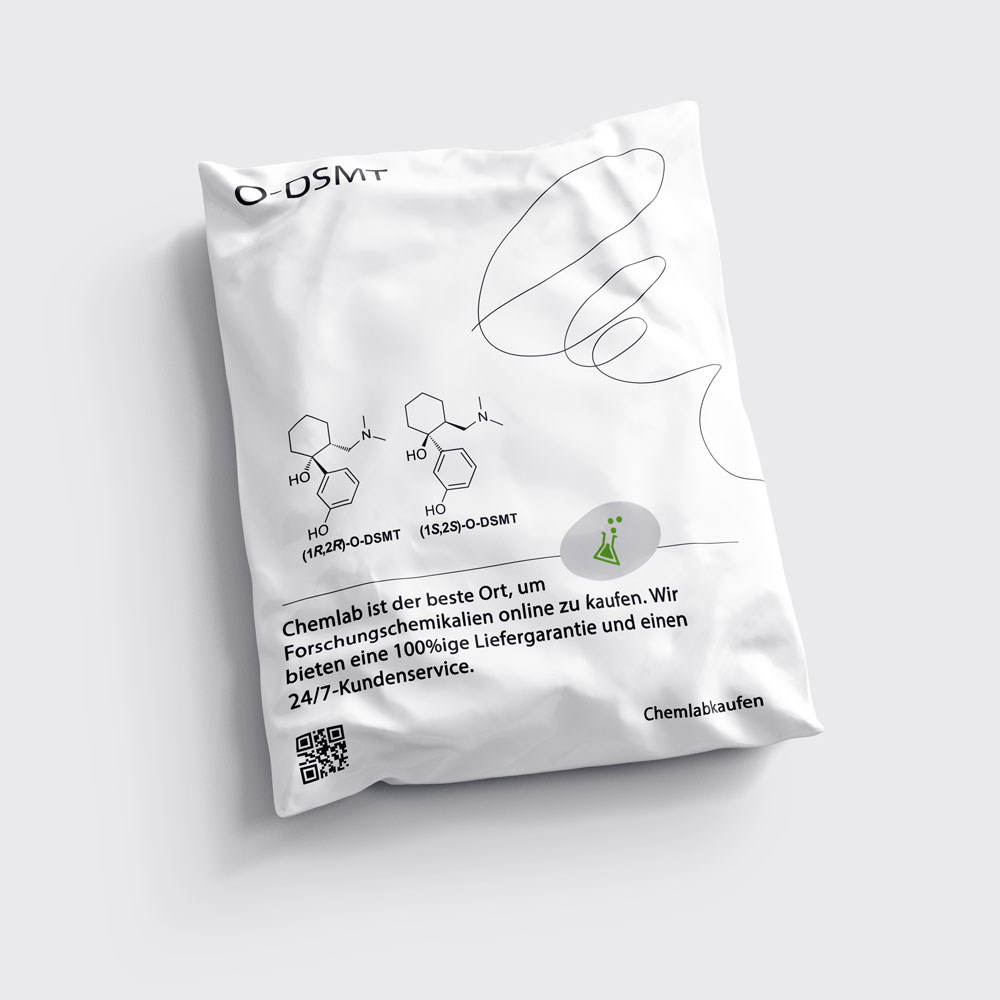 O-DSMT
€ 395 – € 5.400
Pulver-ReferenzmaterialienRelated articles
- Certificate of Analysis Explained: How to Read a CoA
A Certificate of Analysis is the primary quality document accompanying a reference material. Here is what it should contain and how to interpret it.
- Laboratory Labelling and Inventory Control for Research Chemicals
A practical overview of labelling conventions and inventory register practices that keep laboratory reference material stock traceable and easy to audit.
- Laboratory Documentation and Record Keeping for Reference Materials
A practical guide to sample registration, chain of custody, notebook discipline and retention periods that keep laboratory records defensible.
All materials referenced on chemlabkaufen.nl are supplied strictly for laboratory and research use. They are not intended for human or animal consumption, medical use or household use.