
Batch Numbers and Traceability in Reference Material Supply
Batch numbering ties a physical container back to its manufacturing history and test data. Here is how traceability systems work in practice.
18 October 2025 · 6 min
Certificates of Analysis, analytical techniques and purity specifications — how laboratories verify what a reference material actually contains.
Purity is a measurement, not a marketing claim. It only means something when a method and a batch are named alongside it.
This topic explains how laboratories verify what a reference material contains. It covers the documents, the analytical techniques and the specification language used on labels and certificates.
The aim is practical. After reading, you should be able to read a certificate critically and spot what is missing from it.
Batch numbering ties a physical container back to its manufacturing history and test data. Here is how traceability systems work in practice.
18 October 2025 · 6 min

Purity specifications set the boundaries a batch must fall within. This guide explains how these limits are defined and what the figures actually mean.
3 October 2025 · 6 min
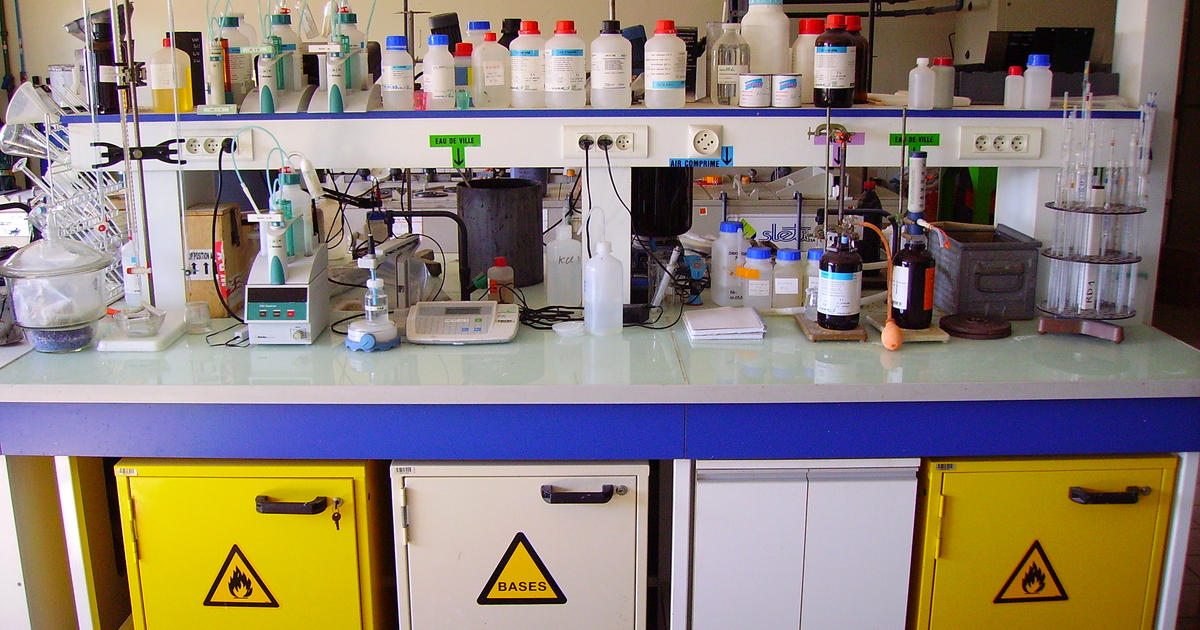
HPLC, GC-MS and NMR are the three analytical techniques most commonly cited on Certificates of Analysis. Here is what each one actually measures.
25 September 2025 · 6 min
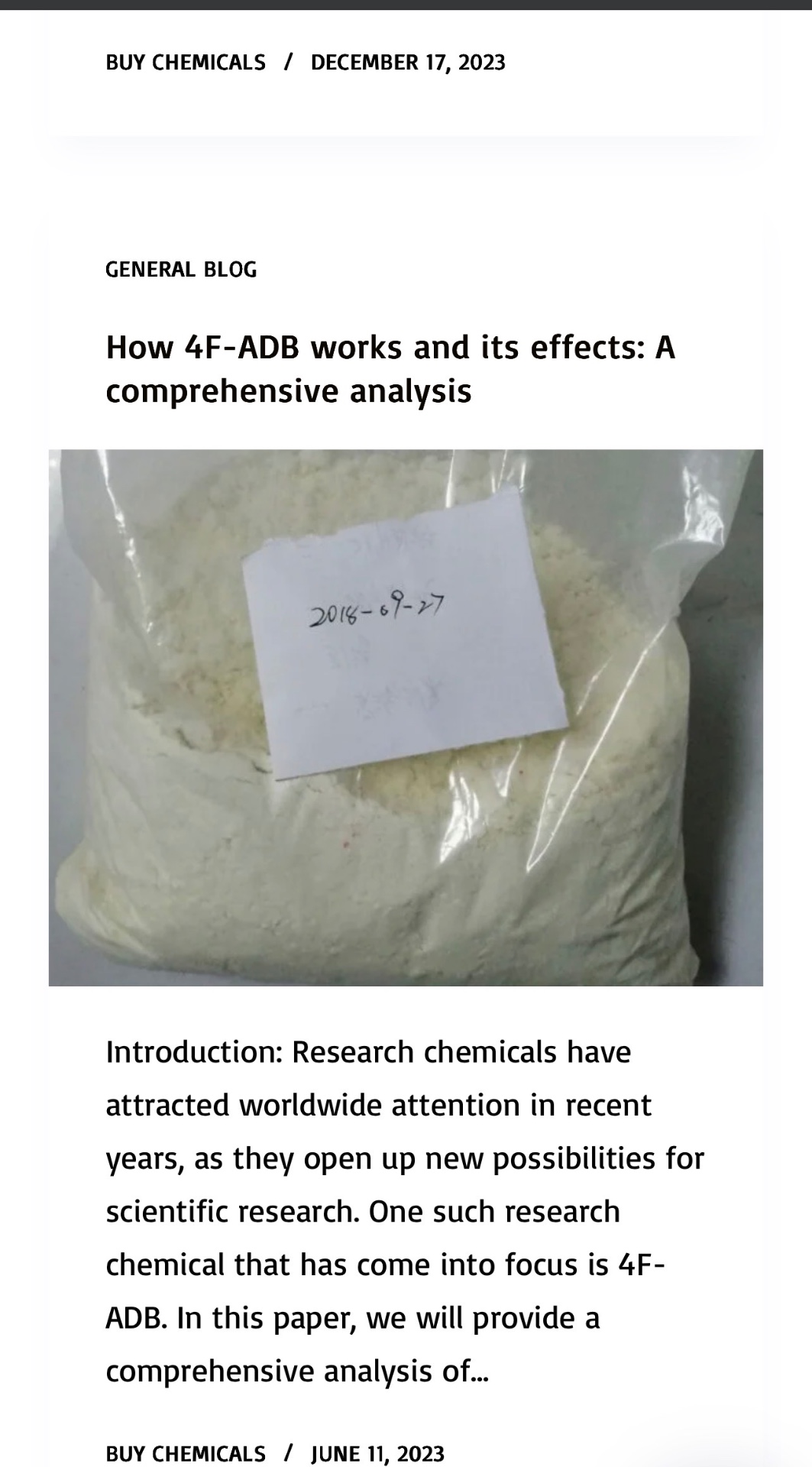
A Certificate of Analysis is the primary quality document accompanying a reference material. Here is what it should contain and how to interpret it.
12 September 2025 · 6 min
The Certificate of Analysis article explains the structure that the other guides refer back to.
It also lists the fields that should always be present on a usable certificate.
Different techniques answer different questions. One method rarely covers identity and purity at once.
The analytical methods guide compares them side by side so you can request the right test.