
Certificate of Analysis Explained: How to Read a CoA
A Certificate of Analysis, commonly abbreviated CoA, is a document issued alongside a batch of reference material that summarises the analytical work carried out on that specific batch. For laboratories evaluating a supplier, the CoA is usually the first and most important piece of quality documentation to review, because it links a physical container of material to a defined set of test results rather than to a generic product description.
Not every CoA is structured the same way, and the level of detail can vary considerably between suppliers. Understanding what the document is supposed to contain, which fields are meaningful and which are cosmetic, and how the reported figures relate to the actual physical sample in front of you is a basic but essential skill for anyone responsible for procurement or quality control of laboratory reference materials.
This article walks through the typical structure of a Certificate of Analysis, explains the analytical data most commonly reported, and outlines practical checks a laboratory can perform to confirm that a CoA genuinely corresponds to the batch received.
What a Certificate of Analysis is for
At its core, a CoA exists to document that a specific, identifiable batch of material was tested against a defined set of parameters and that the results fell within stated specification limits, or to record the actual measured values where no fixed specification applies. It is a record of what was measured, not a guarantee about how the material will be used, and it does not replace independent verification when independent verification is required by an institution's own quality system.
The document typically originates from an internal or contracted analytical laboratory and is then attached to the corresponding batch by the supplier before it ships. Because the CoA is tied to a batch number rather than to the product line as a whole, a new CoA should, in principle, be produced every time a new production or repackaging batch is created.
Core fields found on a typical CoA
While formatting differs between suppliers, most Certificates of Analysis contain a consistent core of identifying and analytical fields. Reviewing each of these fields, rather than skimming the document as a whole, is the fastest way to spot missing or inconsistent information.
- Product name and any recognised chemical identifiers (e.g. CAS number where applicable)
- Batch or lot number matching the label on the physical container
- Manufacturing or analysis date, and sometimes a re-test or review date
- Appearance description (colour, physical form)
- Purity result, usually expressed as a percentage by the analytical method used
- Method reference for the purity determination (e.g. HPLC, GC)
- Water content or loss-on-drying result where relevant to the material
- Named or contact details of the issuing laboratory or quality department
Interpreting the purity and impurity data
The purity figure on a CoA is a result of a specific analytical method applied under specific conditions, not an absolute universal truth about the material. Two different methods, or two different columns and detectors within the same method, can produce slightly different numbers for the same sample. This is normal and expected; it is one reason the method used should always be stated alongside the result.
Where a CoA lists individual impurity peaks or an impurity profile, take note of whether impurities are named, given only as retention times, or simply summed into a single 'total impurities' figure. A more detailed breakdown generally reflects a more thorough analytical workup, though the appropriate level of detail depends on the intended use of the material within the receiving laboratory.
Reading a purity percentage correctly
A purity value such as '99.2% by HPLC' means that, under the stated chromatographic conditions, 99.2% of the detected peak area was attributed to the target compound. It says nothing about compounds that do not respond to the detector used, which is why complementary methods are sometimes applied together, as covered in our companion article on HPLC, GC-MS and NMR testing.
Cross-checking a CoA against the physical batch
A CoA is only useful if it genuinely corresponds to the material in hand. Laboratories should build a habit of cross-checking key fields on receipt rather than filing the document unread.
- Confirm the batch number on the label matches the batch number on the CoA exactly
- Compare the stated appearance to the physical sample (colour, form, packaging)
- Check that the analysis date is plausible relative to the shipping date
- Note whether the document is signed, stamped, or otherwise attributable to a specific analyst or department
- Retain the CoA alongside the corresponding retained sample, as discussed in our article on batch traceability
What a CoA does not tell you
It is important to be clear about the limits of a Certificate of Analysis. It documents results for the parameters actually tested; it does not certify suitability for any particular research application, and it is not a regulatory approval or an official government certification. A CoA also cannot substitute for a laboratory's own incoming quality checks where its internal procedures require independent confirmation.
Suppliers should describe clearly which parameters are covered and which are not. A laboratory that requires additional confirmatory testing, such as an independent NMR run, should treat this as a supplementary step alongside — not instead of — reviewing the supplied CoA.
Requesting or verifying a Certificate of Analysis
When ordering reference materials, it is reasonable to ask a supplier to confirm that a CoA specific to the shipped batch will be provided, and to ask what analytical methods are used to generate it. At ChemLab Kaufen, documentation questions can be directed to support@chemlabkaufen.nl, by WhatsApp at +49 1578 3358297, or via the live chat on chemlabkaufen.nl, and batch-specific documentation is provided alongside orders.
For institutions with formal procurement policies, keeping a simple checklist of the fields described above, and applying it consistently to every incoming batch, is a low-effort way to build a reliable documentation trail over time.
Conclusion
A Certificate of Analysis is a working document, not a formality. Reading it properly means checking that batch numbers match, understanding what analytical method produced the purity figure, and recognising what the document does and does not cover. Building this habit into a laboratory's receiving process costs little time and materially improves the reliability of incoming quality checks.
If your laboratory needs guidance on the documentation supplied with a specific reference material, or wants to confirm which analytical methods back a given CoA, contact ChemLab Kaufen's team via support@chemlabkaufen.nl or WhatsApp at +49 1578 3358297 before placing an order.
Frequently asked questions
Is a Certificate of Analysis the same as a certificate of conformity?
No. A CoA reports actual measured results for a specific batch, while a certificate of conformity typically states that a batch meets a specification without necessarily listing individual test values. Laboratories that require quantitative data should specifically ask for a CoA rather than accepting either document interchangeably.
Why do batch numbers on the CoA and the label sometimes look different?
This usually indicates a repackaging or relabelling step between the original analysis and the final container. It is not automatically a problem, but it should be traceable — the supplier should be able to explain the relationship between the two numbers on request.
Can a CoA be generated after the material has already shipped?
Ideally no. A CoA should reflect testing carried out on or before the batch was released for shipment. A document dated after dispatch may indicate retrospective paperwork rather than a genuine pre-release quality check, and is worth querying with the supplier.
Does a high purity percentage always mean higher quality?
Purity percentage is one important indicator but not the only one. Method reliability, impurity identification, water content and batch consistency over time all contribute to a fuller picture of quality, which is why a CoA should be read as a whole document rather than reduced to a single number.
Should every shipment include its own CoA?
Yes, in principle. Because a CoA is tied to a batch, any change of batch should come with updated documentation. If a laboratory receives repeat orders of the same product, it is reasonable to expect a new CoA whenever the batch number changes.
What should I do if a CoA seems incomplete?
Contact the supplier directly and ask for the missing fields, such as method reference, analysis date, or batch number, before accepting the batch into inventory. A responsive supplier should be able to clarify or supply additional documentation promptly.
Browse the catalogue
Reference materials discussed in this guide
 2-FDCK
€ 350 – € 5.000
Pulver-Referenzmaterialien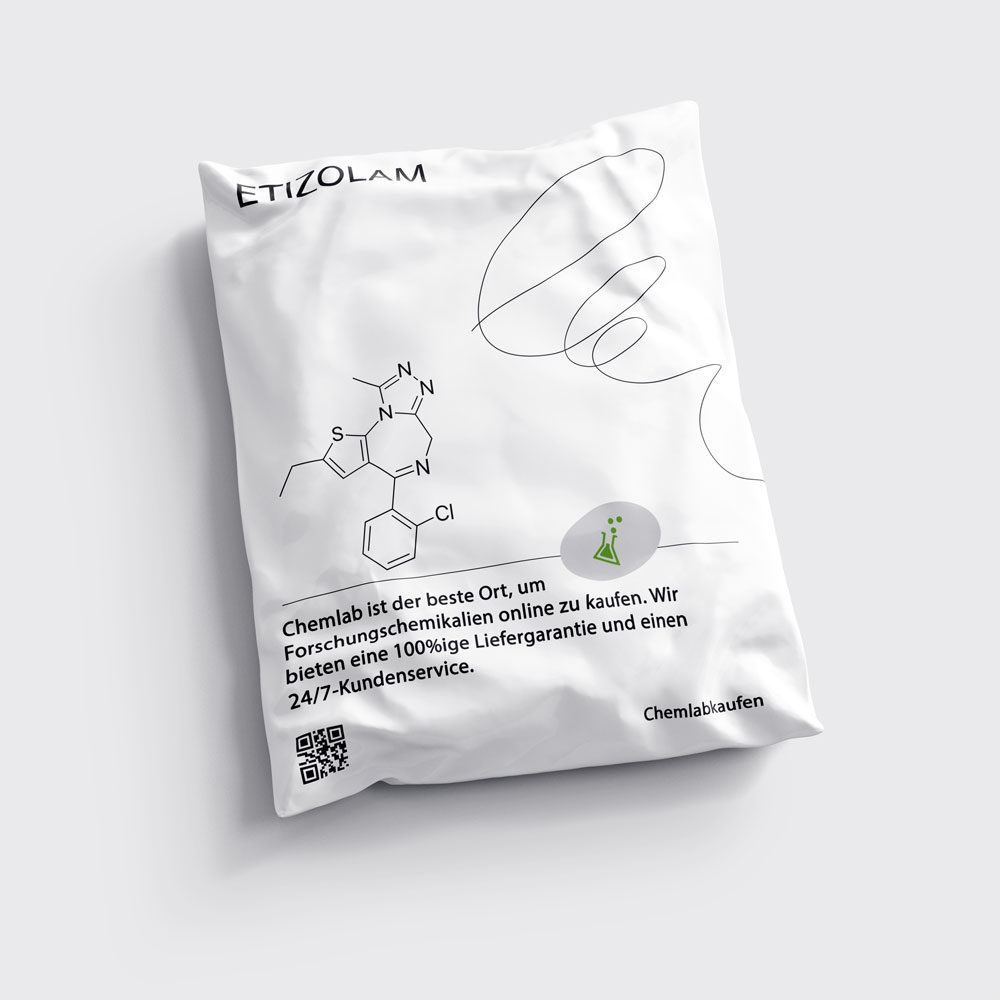 Etizolam Pulver
€ 410 – € 6.200
Pulver-Referenzmaterialien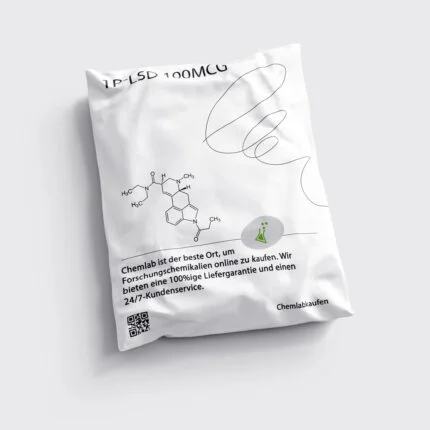 1P-LSD 100MCG
€ 380 – € 1.120
Blotter-Referenzmaterialien JWH 018
€ 390 – € 5.800
Pulver-Referenzmaterialien 5F ADB
€ 370 – € 5.400
Pulver-ReferenzmaterialienRelated articles
- HPLC, GC-MS and NMR Purity Testing Explained
HPLC, GC-MS and NMR are the three analytical techniques most commonly cited on Certificates of Analysis. Here is what each one actually measures.
- Understanding Purity Specifications for Reference Materials
Purity specifications set the boundaries a batch must fall within. This guide explains how these limits are defined and what the figures actually mean.
- Batch Numbers and Traceability in Reference Material Supply
Batch numbering ties a physical container back to its manufacturing history and test data. Here is how traceability systems work in practice.
All materials referenced on chemlabkaufen.nl are supplied strictly for laboratory and research use. They are not intended for human or animal consumption, medical use or household use.