
Laboratory Documentation and Record Keeping for Reference Materials
A laboratory's analytical results are only as credible as the records behind them. Documentation and record keeping form the connective tissue between a physical sample, the tests performed on it, and the conclusions drawn from those tests. Without a clear, contemporaneous record, even a well-executed piece of analytical work becomes difficult to defend under scrutiny, whether that scrutiny comes from an internal quality review, a funding body, or an external auditor.
This article walks through the practical building blocks of laboratory documentation: how samples are registered on arrival, how chain of custody is maintained as material moves through a facility, what belongs in a laboratory notebook, how audit trails are constructed, and how long different categories of record should typically be retained. The aim is to describe established laboratory practice in general terms that apply across virtually any analytical setting.
Good documentation habits also make it far easier to work productively with suppliers. When a laboratory can quickly pull up the registration record, batch reference and Certificate of Analysis for any material it has purchased, resolving a query with a supplier such as ChemLab Kaufen becomes a matter of minutes rather than an extended search through scattered files.
Why documentation is a quality control issue
Documentation is often treated as separate from the technical work of a laboratory, but it is more accurate to think of it as part of the analytical process itself. A result that cannot be traced back to a specific, correctly identified sample, tested under recorded conditions, is of limited evidentiary value regardless of how carefully the underlying work was performed. Regulatory bodies, accreditation schemes and internal quality systems all treat record keeping as a core requirement rather than an optional extra.
Sample registration on arrival
Registration is the point at which an incoming reference material formally enters the laboratory's record-keeping system. It should happen as close to the moment of receipt as possible, before the material is moved to storage or opened for any purpose.
- Assign a unique accession or sample number that will be used on every subsequent document
- Record supplier, order reference, batch number and date received
- Note condition on arrival, including packaging integrity and any visible discrepancy
- Cross-reference the accompanying Certificate of Analysis and file it against the accession number
- Enter the record into the inventory register described in the laboratory's stock control procedure
Handling discrepancies at registration
If a delivery does not match its accompanying paperwork — a different quantity, a missing document, or damaged packaging — this should be noted at the point of registration rather than corrected silently. A documented discrepancy report gives the laboratory a clear basis for following up with the supplier and protects the integrity of the record going forward.
Maintaining chain of custody
Chain of custody is the continuous, documented history of who has had control of a sample and what was done with it, from registration through to final consumption or disposal. It matters most when results may be reviewed externally, but the discipline of maintaining it benefits internal quality control just as much.
- Log every transfer of a sample between individuals or locations, with date, time and signature
- Record the purpose of each transfer — analysis, storage relocation, subsampling, disposal
- Avoid gaps: if a sample's location or custodian for a given period cannot be established, treat that as a documented limitation
Chain of custody forms
Many laboratories use a standard chain of custody form that travels with a sample or is referenced by its accession number. Each transfer is recorded as a discrete line entry, which makes it straightforward to reconstruct the full history of a sample later if a question arises about how it was handled.
Laboratory notebooks and contemporaneous records
Whether kept on paper or electronically, laboratory notebooks are the primary contemporaneous record of what was actually done, as distinct from what a protocol says should have been done. Entries should be made at the time work is carried out, dated, and signed or otherwise attributed to the person who performed the work.
- Write entries in ink or in a locked electronic system that time-stamps changes
- Never erase mistakes — strike through with a single line, initial and date the correction
- Reference accession numbers, batch numbers and any relevant Certificate of Analysis directly in the entry
- Have a second, qualified staff member review and countersign significant entries where required by internal policy
Building a reliable audit trail
An audit trail is the aggregate of all the individual records described above, structured so that an independent reviewer can follow the full history of a sample or a decision without needing to ask the original staff involved. Electronic systems that automatically log user, timestamp and the nature of any change are increasingly standard, but the same principle applies to paper-based systems: every entry should show who made it, when, and why.
Version control for documents
Where documents are revised — a standard operating procedure, a storage protocol, a form template — the laboratory should retain previous versions and clearly mark which version was in effect at the time any given piece of work was performed. This prevents ambiguity if a procedure changes partway through a project.
Retention periods for laboratory records
How long records need to be kept depends on the type of record, any applicable institutional policy, and the nature of the work being conducted. As a general practice, most laboratories apply longer retention periods to primary records — notebooks, chain of custody forms, Certificates of Analysis — than to routine administrative correspondence.
- Primary analytical records and notebooks: commonly retained for several years beyond project completion
- Certificates of Analysis and batch documentation: retained for the useful life of the associated stock plus a defined buffer period
- Chain of custody records: retained alongside the sample record they relate to
- Routine correspondence: retained according to general institutional document retention policy
Conclusion
Robust documentation turns a laboratory's day-to-day work into something that can withstand scrutiny long after the work itself is finished. Registering samples promptly, maintaining an unbroken chain of custody, keeping disciplined contemporaneous notebooks, and applying sensible retention periods are all straightforward habits individually — their combined effect is a laboratory record system that is genuinely defensible.
These habits work best when they are supported by clear, consistent paperwork from the supply side as well. ChemLab Kaufen provides batch-referenced documentation with every shipment of research chemicals, designed to slot directly into a laboratory's registration and record-keeping workflow — contact support@chemlabkaufen.nl or WhatsApp for copies of documentation relating to any order.
Frequently asked questions
When should a sample be registered after arrival?
As close to the moment of receipt as possible, before the material is moved to storage or opened. Prompt registration ensures the accession number, batch reference and condition on arrival are captured accurately, and any discrepancy is noted while the delivery is still fresh in memory.
What belongs in a chain of custody record?
Every transfer of a sample between individuals or locations, including the date, time, signature of the person taking custody, and the purpose of the transfer. Gaps in this record should be documented as a limitation rather than left unexplained.
Can laboratory notebook entries be corrected after the fact?
Yes, but never by erasing the original text. Standard practice is to strike through the error with a single line, then initial and date the correction so the original entry remains visible and the change is clearly attributed and dated.
How long should Certificates of Analysis be retained?
Most laboratories retain Certificates of Analysis for the useful life of the associated stock plus a defined buffer period afterward, often several years, so that any later question about a batch's specifications can still be answered from the original documentation.
What makes an audit trail reliable?
A reliable audit trail shows who made each entry or change, when, and why, without gaps. Electronic systems that automatically timestamp edits help, but the same standard applies to paper records: every entry needs clear attribution and a date.
Why does supplier documentation matter for laboratory record keeping?
Batch numbers and Certificates of Analysis supplied with an order form the starting point of a sample's internal record. Clear, consistent supplier documentation makes registration faster and gives the laboratory a reliable reference point if a quality question arises later.
Browse the catalogue
Reference materials discussed in this guide
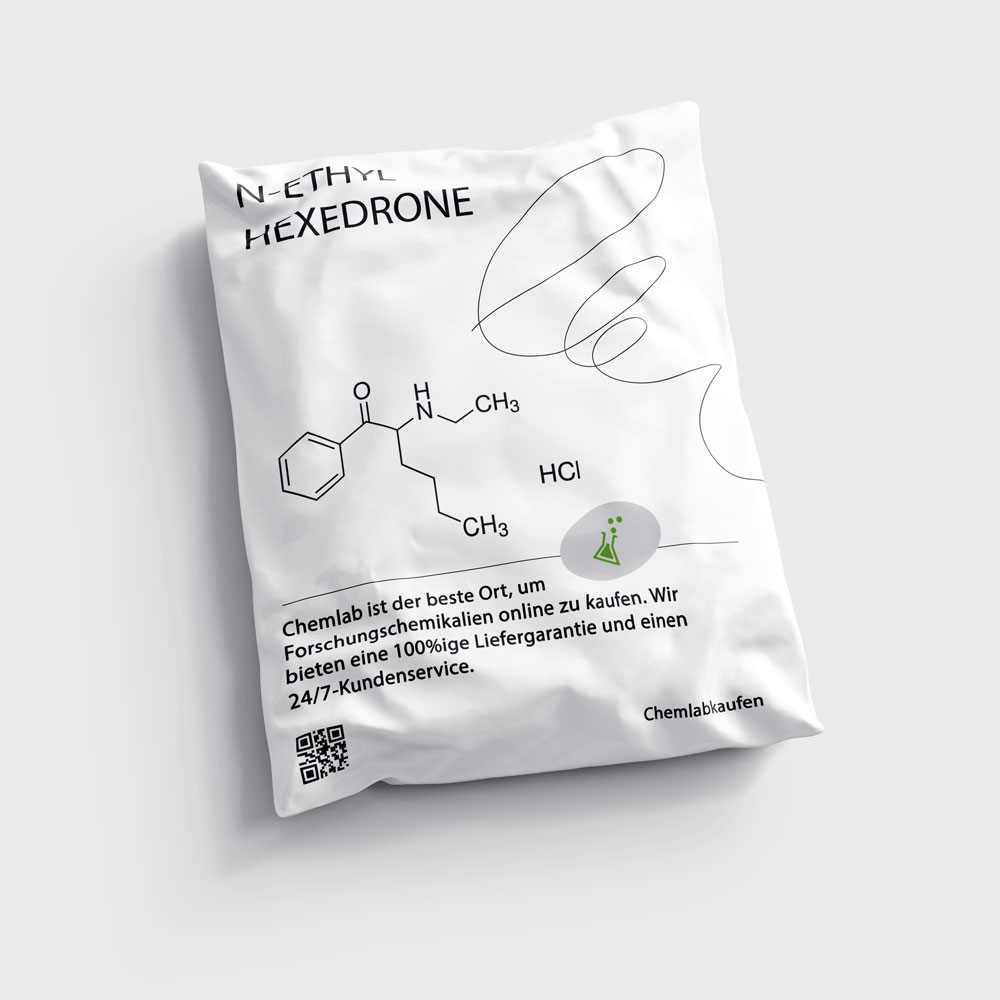 N-Ethyl-Hexedrone
€ 375 – € 5.500
Pulver-Referenzmaterialien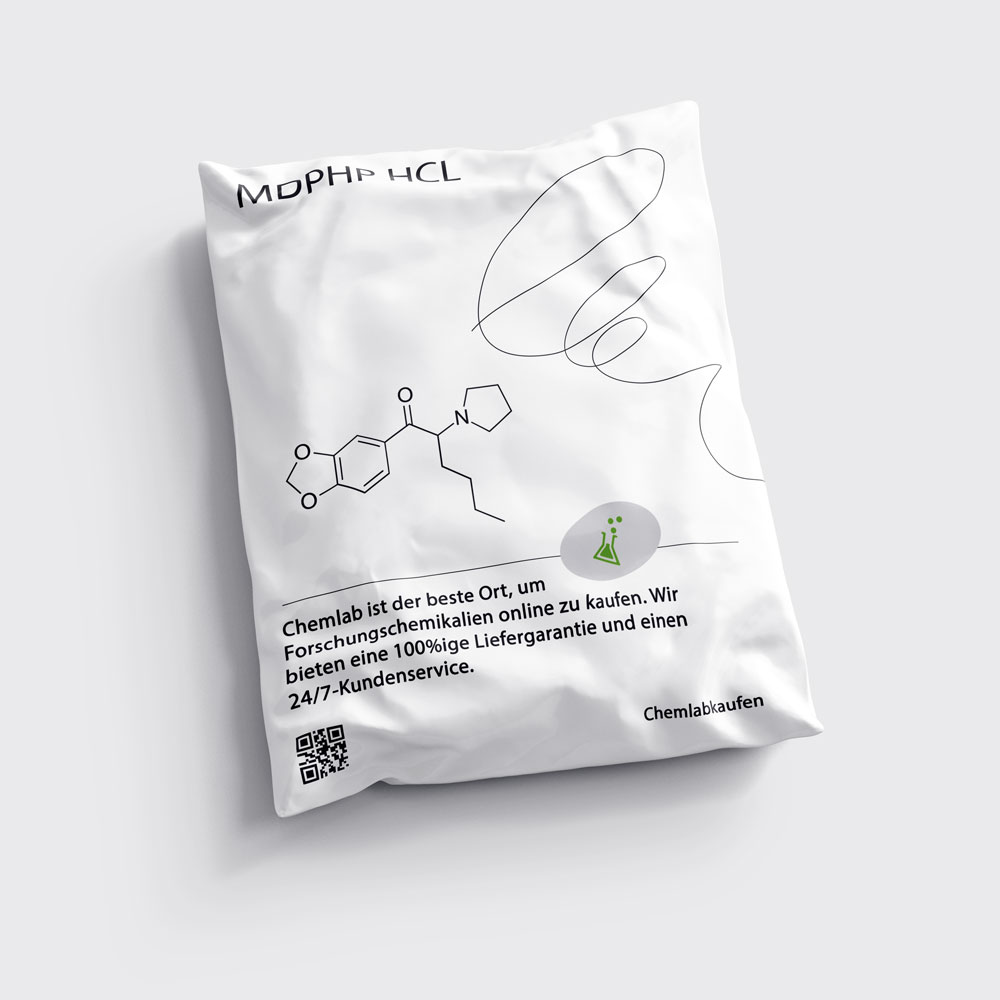 MDPHP HCL
€ 400 – € 6.000
Pulver-Referenzmaterialien 1P-LSD 100MCG
€ 380 – € 1.120
Blotter-Referenzmaterialien O-DSMT
€ 395 – € 5.400
Pulver-Referenzmaterialien A PiHP
€ 415 – € 5.800
Pulver-ReferenzmaterialienRelated articles
- Batch Numbers and Traceability in Reference Material Supply
Batch numbering ties a physical container back to its manufacturing history and test data. Here is how traceability systems work in practice.
- Laboratory Labelling and Inventory Control for Research Chemicals
A practical overview of labelling conventions and inventory register practices that keep laboratory reference material stock traceable and easy to audit.
- Certificate of Analysis Explained: How to Read a CoA
A Certificate of Analysis is the primary quality document accompanying a reference material. Here is what it should contain and how to interpret it.
All materials referenced on chemlabkaufen.nl are supplied strictly for laboratory and research use. They are not intended for human or animal consumption, medical use or household use.