
Storing Reference Materials in the Laboratory: General Best Practice
Storage conditions have a direct bearing on how well a reference material retains its stated purity between the day it is received and the day it is used in analysis. Poor storage does not usually produce a dramatic failure; more often it shows up gradually, as a slight shift in appearance, a change in weight due to moisture uptake, or a purity result that no longer matches the original Certificate of Analysis. Establishing sound storage practice is therefore one of the simplest ways a laboratory protects the value of the material it has already paid for.
This article summarises the general, non-technical principles that most laboratories apply when storing reference materials: appropriate containers, control of light, temperature and humidity, and the physical and administrative security that limits who can access stock. It intentionally stays at a general good-practice level rather than prescribing storage protocols for any specific compound, since those decisions depend on documentation supplied with each batch and on a laboratory's own internal procedures.
Laboratories sourcing from a consistent supplier such as ChemLab Kaufen benefit from predictable packaging and batch documentation, which makes it easier to apply a standard storage routine across an entire catalogue of reference materials rather than improvising a new approach for every delivery.
General storage principles
Most reference materials are stable for extended periods when kept in a stable environment away from extremes of temperature, light and moisture. The starting point for any storage decision is the documentation that accompanies the batch, which typically indicates a recommended storage condition. Where no specific guidance is given, a cool, dry, dark location with minimal temperature fluctuation is the standard default across analytical laboratories.
- Keep containers sealed except for the brief period needed to subsample
- Avoid locations subject to direct sunlight or fluctuating room temperature
- Separate incompatible material classes according to standard chemical storage segregation
- Return containers to their designated location immediately after use
Choosing appropriate containers
The original supplier packaging is generally the most appropriate container for long-term storage, since it has been selected to be compatible with the material and to minimise exposure to air and moisture during normal handling. When material is transferred to a secondary container for day-to-day use, that container should offer an equivalent or better level of protection.
Material compatibility
Containers should be made of materials known to be chemically inert with respect to their contents — commonly glass or specific grades of plastic recommended by the supplier. Reusing containers from unrelated products, or using ones without a verified compatibility history, introduces an avoidable risk of contamination or container degradation.
Seals and closures
A reliable seal is as important as the container itself. Screw-cap containers with an intact gasket, or heat-sealed packaging left undisturbed until first use, both help maintain a stable internal atmosphere and reduce moisture ingress between uses.
Controlling light exposure
A number of reference materials are sensitive to light and are supplied in amber glass, foil-lined packaging or opaque containers for that reason. As a general rule, any material not specifically confirmed to be light-stable should be stored away from direct or prolonged ambient light, and containers should not be left out on open benches longer than necessary during handling.
Managing temperature and humidity
Temperature and humidity control protect against two related risks: chemical degradation accelerated by heat, and physical changes such as clumping or moisture absorption. Laboratories typically categorise their reference material stock into a small number of storage bands — for example, ambient room temperature, cool storage, or refrigerated storage — based on supplier guidance, and route incoming stock to the appropriate location as part of the receiving process.
- Use a dedicated, monitored storage unit rather than a general-purpose refrigerator or cupboard where possible
- Log temperature at a regular interval and flag any excursion outside the expected range
- Include desiccant or humidity control in storage areas prone to moisture, particularly in coastal or humid climates
Avoiding temperature cycling
Repeatedly moving a container between a cold store and room temperature can introduce condensation inside the packaging once it warms up. Where a container will be accessed frequently, laboratories often keep a smaller working aliquot at room temperature and reserve the bulk of the batch for stable, undisturbed cold storage.
Secure storage and access control
Physical security is as much a part of storage practice as environmental control. Reference materials should be kept in a lockable cabinet, room or refrigerator with access limited to trained, authorised personnel, and any access outside normal working hours should be logged.
- Restrict keys, key codes or access cards to a defined list of authorised staff
- Keep a signing-in log for any out-of-hours access to storage areas
- Review the access list periodically and remove staff who no longer need it
- Store higher-control materials in a separate, more restricted area from general laboratory consumables
Linking storage practice to inventory and labelling
Storage does not operate in isolation — the location a container is assigned to should be recorded in the laboratory's inventory register and reflected on its label, so that any staff member can locate material quickly without opening multiple cabinets. Aligning storage location, label and register also makes stock reconciliation and periodic audits considerably faster, since discrepancies between where something should be and where it actually is become immediately visible.
Conclusion
Sound storage practice is largely a matter of consistency rather than complexity: appropriate containers, sensible control of light, temperature and humidity, and a level of physical security proportionate to the material being held. Laboratories that build these habits into their standard receiving and handling routine protect both the integrity of their reference materials and the reliability of any analytical work built on top of them.
Choosing a supplier that packages and documents its reference materials consistently makes this routine far easier to apply. ChemLab Kaufen ships research chemicals across the EU in packaging designed for stable transit and storage, accompanied by batch documentation that supports a laboratory's own storage and inventory procedures — reach out via support@chemlabkaufen.nl or WhatsApp with any storage-related questions about a specific order.
Frequently asked questions
What is the default storage condition if a supplier gives no specific instruction?
In the absence of specific guidance, the standard default is a cool, dry, dark location with minimal temperature fluctuation and the container kept sealed except when briefly opened for subsampling. Always check accompanying documentation first, since it takes precedence over general defaults.
Should reference materials be transferred out of their original packaging?
Not unless necessary. Original supplier packaging is usually chosen for compatibility and protective properties. If a working aliquot is required, transfer it into a container offering equivalent protection and label it clearly with a reference back to the parent batch.
Why does temperature cycling matter for stored material?
Repeatedly warming and cooling a sealed container can draw moisture into the headspace once it warms, which may affect material stability over time. Keeping a small working aliquot separate from bulk cold storage reduces how often the main stock is exposed to this cycling.
Who should have access to laboratory storage areas?
Access should be limited to trained, authorised staff, ideally recorded through a key log, access card system or sign-in sheet. Reviewing the access list periodically ensures it reflects current staff and reduces the chance of unmonitored entry to storage areas.
How does storage location relate to inventory records?
The storage location assigned to a container should be recorded in the inventory register and reflected on its label. This alignment speeds up day-to-day retrieval and makes stock reconciliation and audits far more straightforward, since any mismatch is immediately visible.
Does packaging from the supplier affect long-term storage?
Yes. Packaging selected by a reputable supplier is generally suited to protecting the material during transit and subsequent storage. Consistent, well-documented packaging also makes it easier for a laboratory to apply a standard storage routine across its whole catalogue of materials.
Browse the catalogue
Reference materials discussed in this guide
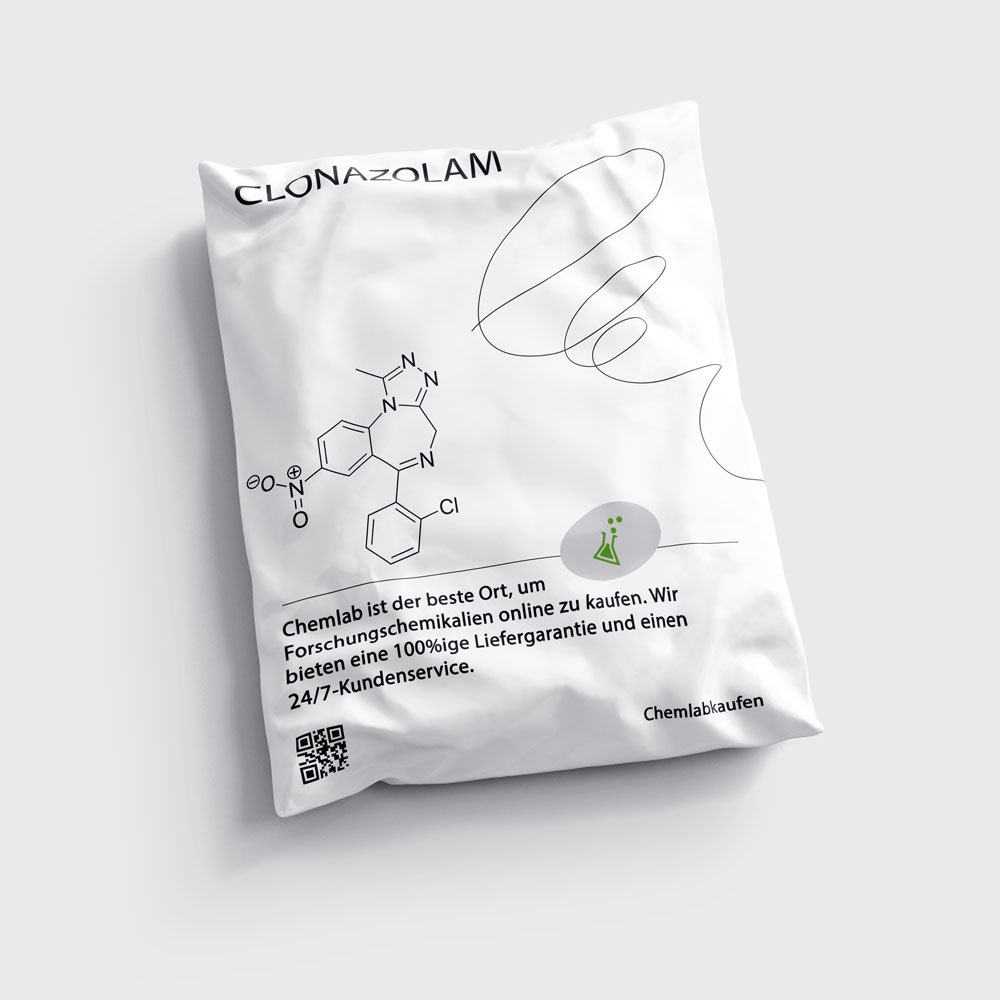 Clonazolam Pulver
€ 400 – € 6.000
Pulver-Referenzmaterialien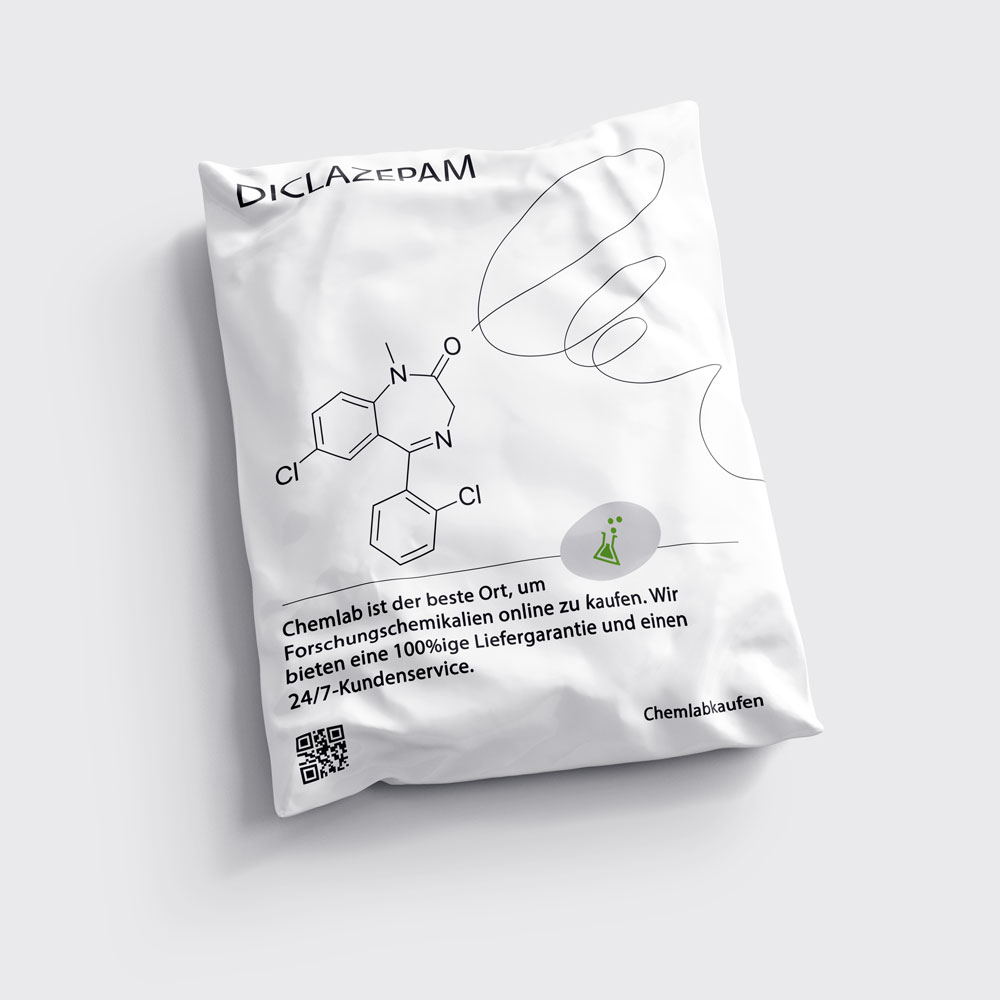 Diclazepam Pulver
€ 800 – € 14.000
Pulver-Referenzmaterialien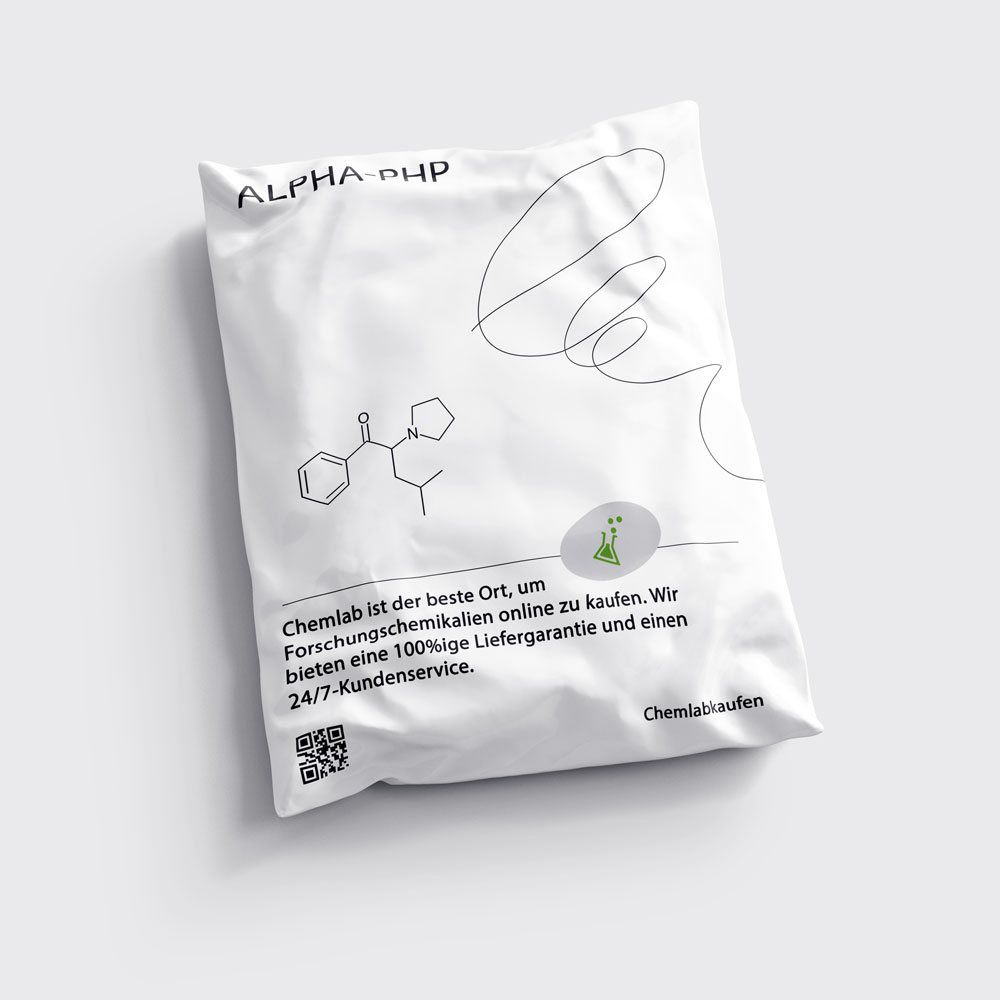 Alpha-PHP
€ 375 – € 5.000
Pulver-Referenzmaterialien 4F-ADB
€ 345 – € 4.900
Pulver-Referenzmaterialien 3 CMC
3 CMC€ 380 – € 5.600
Pulver-ReferenzmaterialienRelated articles
- Laboratory Labelling and Inventory Control for Research Chemicals
A practical overview of labelling conventions and inventory register practices that keep laboratory reference material stock traceable and easy to audit.
- Laboratory Documentation and Record Keeping for Reference Materials
A practical guide to sample registration, chain of custody, notebook discipline and retention periods that keep laboratory records defensible.
- Certificate of Analysis Explained: How to Read a CoA
A Certificate of Analysis is the primary quality document accompanying a reference material. Here is what it should contain and how to interpret it.
All materials referenced on chemlabkaufen.nl are supplied strictly for laboratory and research use. They are not intended for human or animal consumption, medical use or household use.