
Powder vs Blotter Formats Explained for Laboratory Use
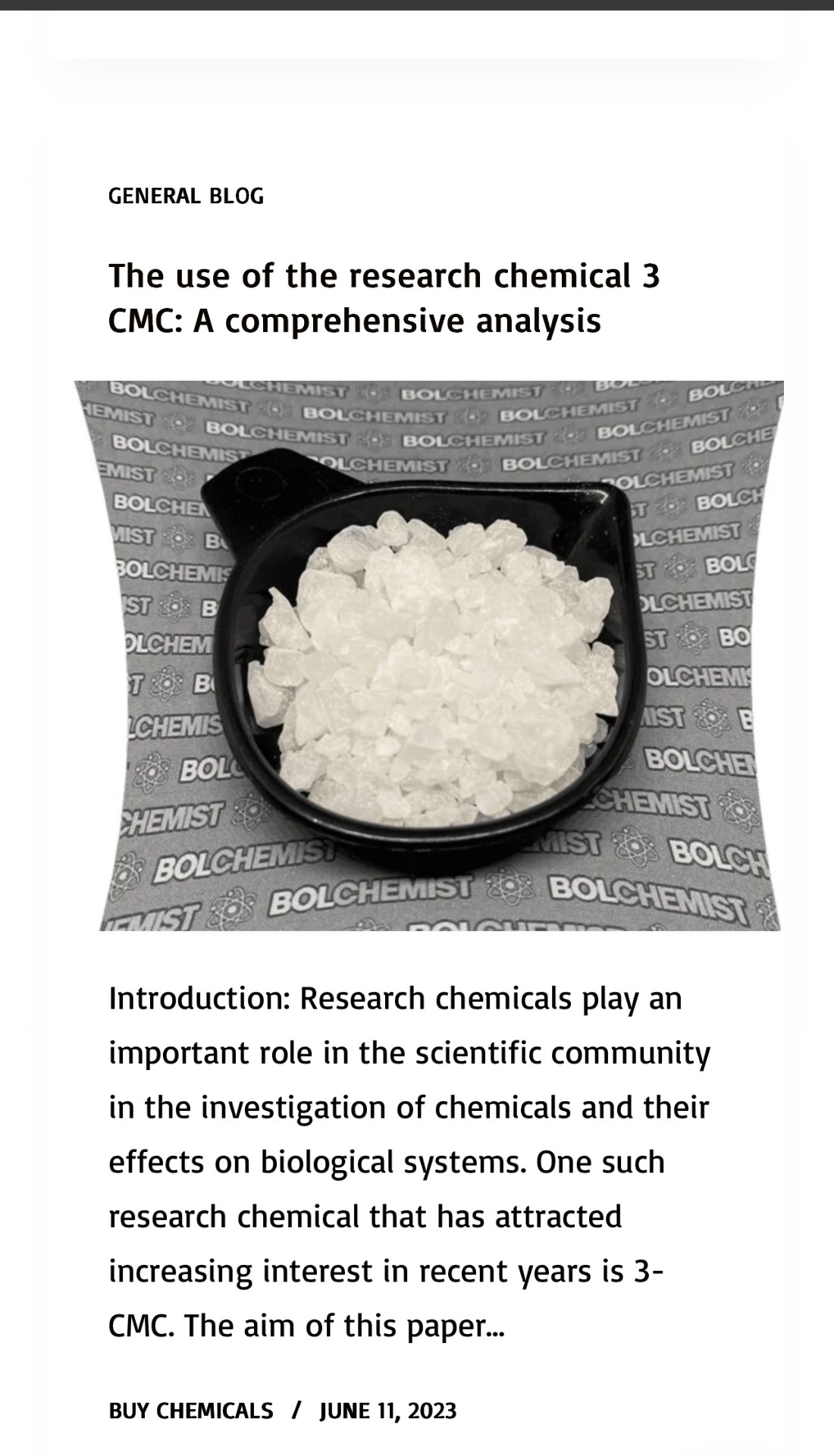
When laboratories order reference materials, they encounter more than one physical presentation format, and two of the most common are powder and blotter. Understanding the practical differences between them helps a laboratory choose the format that best fits its analytical workflow, its weighing and dilution procedures, and its storage arrangements. The choice of format has nothing to do with the identity or specification of the underlying material — it is purely a question of how that material is physically presented for handling.
This article explains what distinguishes powder from blotter format in general terms, covering how each is typically weighed or quantified, how quantity tiers are structured for ordering purposes, and how storage requirements differ between the two. It is written as a terminology and workflow explainer, not as handling instructions for any specific compound.
ChemLab Kaufen offers reference materials in both powder and blotter presentation across its catalogue, with quantity tiers designed to match typical laboratory order sizes, from small analytical batches through to larger bulk purchases.
What the terms describe
Powder format refers to a reference material supplied as a bulk solid, typically packaged in a sealed pouch, vial or jar, and quantified by weight. Blotter format refers to a reference material that has been distributed onto small, individually cut paper or substrate squares, typically supplied as a set number of discrete units rather than a bulk weight. Both are simply presentation formats for delivering a reference material to a laboratory in a form suited to a particular kind of handling and quantification.
Weighing and quantifying powder format
Quantification of a powder happens directly by mass, using a calibrated analytical balance. Because the material arrives as a bulk solid, a laboratory can subsample any portion it needs for a given analytical run, provided it follows its own subsampling and labelling procedures for the remainder of the batch.
- Weighing is performed with a calibrated balance appropriate to the required precision
- Subsamples are drawn directly from the bulk container and the remaining stock is resealed
- Net weight at receipt and after each subsampling event is recorded in the inventory register
- Bulk solids generally scale efficiently for laboratories that need flexible, variable quantities per use
Handling and quantifying blotter format
Blotter format is quantified by unit count rather than by weight, since the material has already been distributed across individual squares at a defined loading per unit as stated in the accompanying documentation. This makes blotter format straightforward to count and track without needing a balance for every use.
Unit-based inventory tracking
Because blotter units are discrete and individually countable, inventory tracking for this format typically records a running unit count rather than a running weight. A laboratory withdrawing units for analysis logs the number taken and the number remaining, in the same way a powder record logs weight taken and weight remaining.
Handling individual units
Individual blotter units are generally handled with clean tools such as tweezers rather than bare hands, and are typically stored flat in their original packaging to avoid damage to the substrate. This keeps each unit intact and traceable back to its batch documentation.
Quantity tiers for ordering
Both formats are offered across a structured set of quantity tiers designed to match common laboratory order sizes, from smaller exploratory purchases to larger bulk orders for extended analytical projects.
- Typical powder tiers are 50 g, 100 g, 250 g, 500 g and 1000 g
- Blotter format is typically available in 10, 50, 100 and 250 unit tiers
- Larger tiers generally offer a lower effective per-unit or per-gram price, consistent with standard bulk purchasing patterns
- Selecting an appropriate tier reduces the need for repeat orders and keeps inventory turnover predictable
Storage considerations by format
Storage requirements differ somewhat between the two formats because of their physical form. Powder format is generally stored in its sealed original container under the cool, dry, dark conditions described in general laboratory storage guidance. Blotter format, being distributed across a paper or substrate carrier, is more sensitive to moisture and physical handling damage, and is usually stored flat, in its original sealed packaging, away from humidity.
- Powder: sealed container, minimal headspace, protected from light and temperature fluctuation
- Blotter: flat storage, protected from moisture and bending, original packaging retained
- Both formats benefit from a dedicated, access-controlled storage area as described in general laboratory security practice
Choosing between formats for a given project
The right format for a given laboratory depends on the nature of the analytical work being planned. Projects requiring flexible, variable quantities per test — such as calibration or dilution series work — often favour powder format because of the ease of drawing arbitrary subsample weights. Projects that call for a fixed, repeatable unit dose for comparative testing across a series of analytical runs often favour blotter format because of its built-in unit consistency and simple count-based tracking.
Conclusion
Powder and blotter are simply two presentation formats for delivering the same category of reference material to a laboratory, each suited to a different style of quantification, handling and storage. Powder format offers weight-based flexibility, while blotter format offers unit-based consistency and straightforward counting. Neither format changes the underlying documentation or batch traceability a laboratory should expect from its supplier — both should arrive with the same standard of Certificate of Analysis and batch reference.
ChemLab Kaufen supplies reference materials in both powder and blotter formats across a range of quantity tiers, with consistent batch documentation regardless of presentation. Get in touch via support@chemlabkaufen.nl or WhatsApp to discuss which format and tier best suits a particular laboratory workflow.
Frequently asked questions
Is there a difference in specification between powder and blotter format?
No. Format is purely a matter of physical presentation for handling and quantification purposes. Both formats should be supplied with equivalent batch documentation and Certificate of Analysis; the presentation choice does not change the underlying material's specification.
How is blotter format quantified if there is no weighing involved?
Blotter format is quantified by unit count, since the material has already been distributed across individually cut squares at a defined loading per unit as stated in the accompanying documentation. Inventory tracking records units taken and units remaining rather than weight.
What quantity tiers are typically available for each format?
Bulk solids are commonly offered in 50 g, 100 g, 250 g, 500 g and 1000 g tiers, while blotter format is commonly offered in 10, 50, 100 and 250 unit tiers. Larger tiers usually carry a lower effective per-gram or per-unit price.
Does blotter format need different storage than powder format?
Yes, in practical terms. Blotter format is more sensitive to moisture and physical damage because of its paper or substrate carrier, so it is generally stored flat in its original sealed packaging. Powder format is stored in its sealed container under standard cool, dry, dark conditions.
Which format is easier to subsample for variable quantities?
For variable quantities a bulk solid offers more flexibility, since any portion of the bulk material can be weighed out as needed. Blotter format is better suited to work that calls for a fixed, repeatable unit rather than an arbitrary weight.
Do both formats come with the same documentation?
Yes. A reputable supplier issues equivalent batch documentation and Certificate of Analysis regardless of presentation format, so laboratories can apply the same registration and inventory procedures to either powder or blotter stock.
Browse the catalogue
Reference materials discussed in this guide
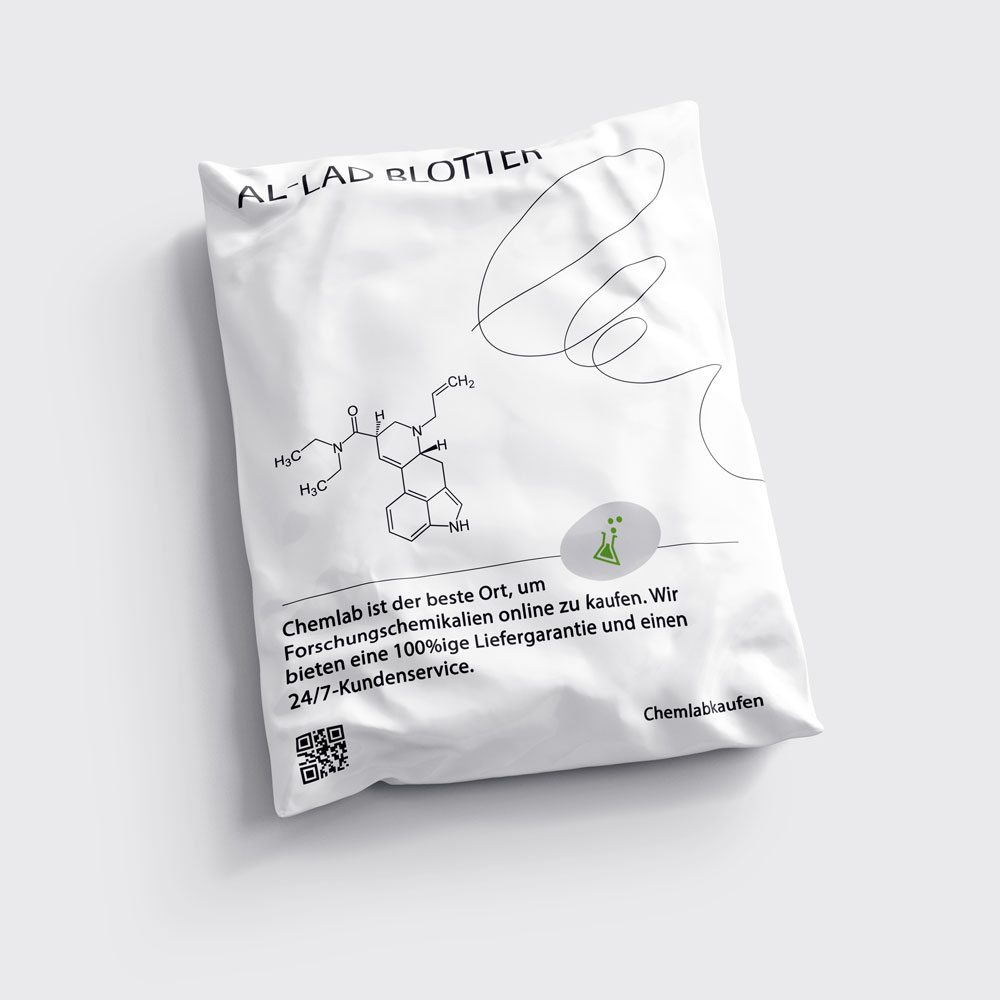 AL-LAD 150MCG
€ 350 – € 1.000
Pulver-Referenzmaterialien 1B-LSD 100MCG
€ 375 – € 1.100
Blotter-Referenzmaterialien 1cP-LSD 100MCG
€ 400 – € 1.200
Blotter-Referenzmaterialien 5f MDMB 2201
€ 430 – € 6.600
Pulver-Referenzmaterialien 4-FMA
4-FMA€ 410 – € 5.700
Pulver-ReferenzmaterialienRelated articles
- Understanding Purity Specifications for Reference Materials
Purity specifications set the boundaries a batch must fall within. This guide explains how these limits are defined and what the figures actually mean.
- Laboratory Labelling and Inventory Control for Research Chemicals
A practical overview of labelling conventions and inventory register practices that keep laboratory reference material stock traceable and easy to audit.
- Research Chemical Terminology: A–Z Glossary
A comprehensive A–Z reference covering the documentation, analytical and supply-chain vocabulary used throughout the research chemical field.
All materials referenced on chemlabkaufen.nl are supplied strictly for laboratory and research use. They are not intended for human or animal consumption, medical use or household use.