
Institutional Policy for Research Chemical Procurement
Universities, contract research organisations and independent laboratories rarely leave the purchase of research chemicals to an individual's discretion. Instead, most institutions build a structured procurement policy around approvals, budget codes and documentation, so that every order can be traced back to a specific project and a specific approving authority.
This structure protects the institution in several ways: it keeps spending accountable, ensures materials are tied to registered research activities, and creates an audit trail that supports internal compliance reviews. For laboratory staff placing orders, understanding this workflow makes the ordering process faster and reduces the risk of delays caused by missing paperwork.
This article is a general overview of how institutional procurement policy for research chemicals is commonly structured. It is not legal advice, and institutions should confirm their own internal rules — and any rules applicable in their country — before finalising a procurement policy.
Why institutions formalise chemical procurement
Reference materials and research chemicals differ from standard office or lab consumables because they carry additional documentation, safety and compliance considerations. Institutions formalise procurement to make sure every purchase is linked to a legitimate research purpose, a responsible principal investigator, and a documented budget line.
A formal policy also reduces variability across departments. Without a shared framework, one lab group might document purchases thoroughly while another keeps almost no records — creating uneven risk exposure for the institution as a whole.
Typical stages of an approval workflow
Most institutional procurement policies for research chemicals follow a broadly similar sequence, even if the specific software or forms differ between organisations.
- Requisition: a researcher identifies the material needed and submits a purchase request
- Review: a lab manager or principal investigator confirms the request matches an approved research project
- Approval: a designated signatory (department head, safety officer, or procurement office) authorises the purchase
- Purchase order: a formal PO is issued referencing budget code and project number
- Receipt and verification: goods are checked against the order and documentation on arrival
Role of the principal investigator
The principal investigator (PI) is usually the person accountable for confirming that a requested material is relevant to an active, approved research project. Many institutions require the PI's sign-off before a requisition can move to the procurement office.
Role of the procurement or purchasing office
A central procurement office typically manages supplier relationships, payment terms and purchase order issuance. This office often maintains an approved supplier list and coordinates payment methods such as SEPA bank transfer for EU-based suppliers.
Documentation expected at each stage
Institutional policies generally specify what documentation must accompany a procurement request and what must be retained afterwards. This documentation supports internal audits and demonstrates that materials were acquired and used appropriately.
- Written requisition with project code and intended use
- PI or department head approval, often via email or an internal system
- Purchase order number referenced on supplier invoices
- Certificate of Analysis and any supplier documentation filed on receipt
- Inventory log entry recording quantity, batch number and storage location
Selecting and vetting suppliers
Part of institutional policy usually involves maintaining a list of vetted suppliers who can reliably provide documentation such as Certificates of Analysis, clear labelling and consistent batch traceability. This vetting reduces friction at the approval stage because reviewers already know the supplier meets baseline documentation standards.
Criteria institutions often apply
Common evaluation criteria include the availability of analytical documentation per batch, consistency of packaging and labelling, responsiveness of customer support, and clarity of the supplier's own compliance framing — for example, explicit research-use-only labelling.
Budget codes and payment methods
Institutions typically require every order to be tied to a specific budget or grant code so spending can be reconciled against research funding. Payment is usually processed centrally rather than by individual researchers, using methods the institution has approved — commonly bank transfer, and increasingly, for some suppliers, cryptocurrency payment options priced in EUR.
Where a supplier only accepts SEPA transfer or crypto payment, procurement offices often set up a standing process so individual labs do not need to handle payment details directly, further reducing the risk of untracked purchases.
Working with ChemLab Kaufen within institutional procurement
ChemLab Kaufen supports institutional buyers by providing consistent documentation — including Certificates of Analysis where available — clear research-use-only labelling, and invoices that reference order details useful for procurement records. Orders are processed within 1–2 business days and shipped with tracked delivery, which helps procurement offices reconcile purchase orders against receipt confirmations.
For institutions setting up a standing supplier relationship, the support team can be reached at support@chemlabkaufen.nl, via WhatsApp (+49 1578 3358297), or through live chat to discuss documentation requirements or recurring order arrangements.
Conclusion
A clear institutional procurement policy protects both the researcher and the organisation: it ties every purchase to an approved project, keeps documentation consistent across departments, and creates an audit trail that supports compliance reviews. Building this structure around requisition, approval, purchase order and receipt verification is a practical way to keep laboratory purchasing accountable.
Every institution's exact requirements differ, and this article does not replace internal policy or legal guidance specific to your organisation. If your laboratory is setting up or refining a procurement workflow, ChemLab Kaufen's team can help clarify what documentation accompanies each order — reach out via support@chemlabkaufen.nl or live chat to discuss your institution's needs.
Frequently asked questions
Who typically approves a research chemical purchase within an institution?
Approval usually involves the principal investigator confirming relevance to an active project, followed by sign-off from a department head, safety officer, or procurement office, depending on the institution's specific policy structure.
Does every purchase need a purchase order number?
Most institutions require a PO number for research chemical purchases so spending can be tracked against a budget or grant code. This also gives procurement offices a reference point for reconciling invoices and receipts.
What documentation should be kept after an order arrives?
Typically the Certificate of Analysis, the purchase order, the supplier invoice, and an inventory log entry noting quantity, batch number and storage location. Retaining these together supports later audits or compliance reviews.
Can individual researchers pay suppliers directly?
Many institutions prefer centralised payment through a procurement office rather than individual researchers, particularly when suppliers use SEPA transfer or cryptocurrency payment, to keep spending consolidated and traceable.
How do institutions vet new suppliers?
Common criteria include consistent batch documentation, clear research-use-only labelling, responsive customer support, and transparent invoicing. Institutions often maintain an approved supplier list based on these factors.
Does ChemLab Kaufen provide documentation suited to institutional procurement?
Yes, orders include invoices with order references and, where available, Certificates of Analysis. Contact support@chemlabkaufen.nl to discuss documentation formats or recurring order arrangements for your institution.
Browse the catalogue
Reference materials discussed in this guide
 4F-ADB
€ 345 – € 4.900
Pulver-Referenzmaterialien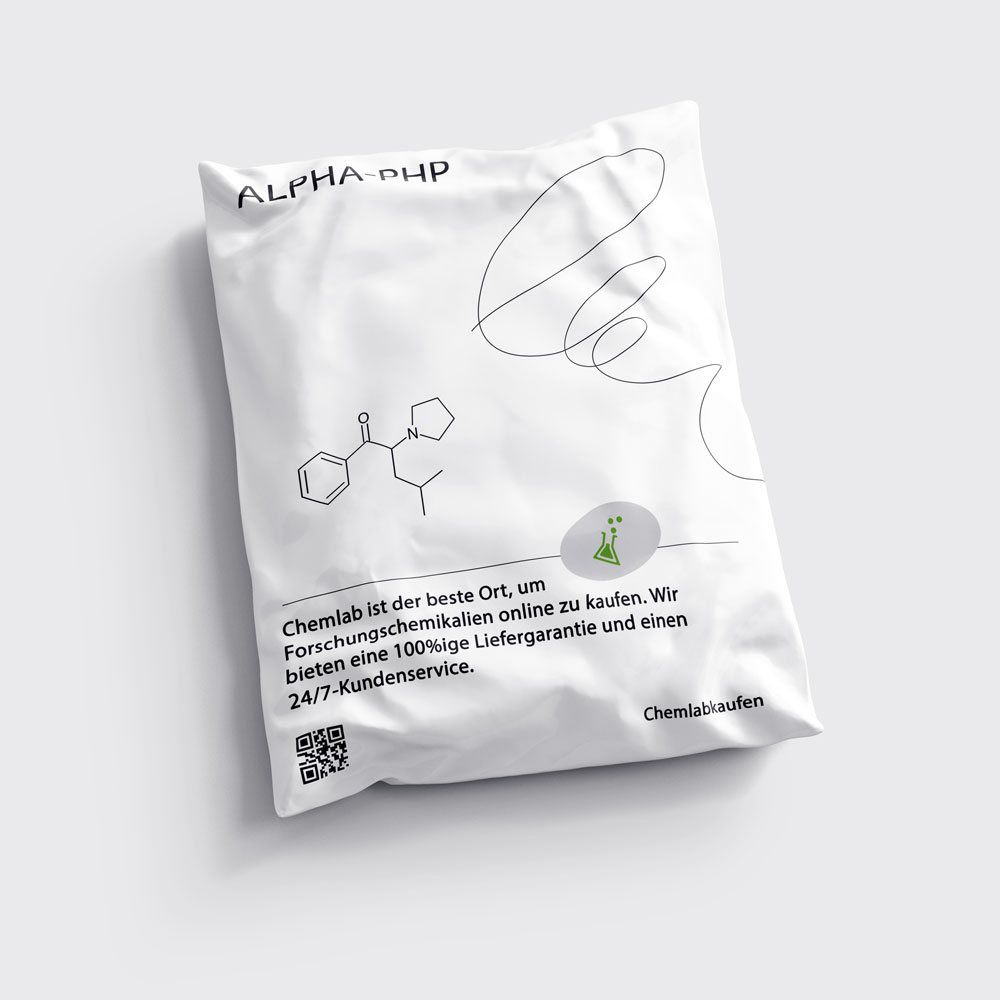 Alpha-PHP
€ 375 – € 5.000
Pulver-Referenzmaterialien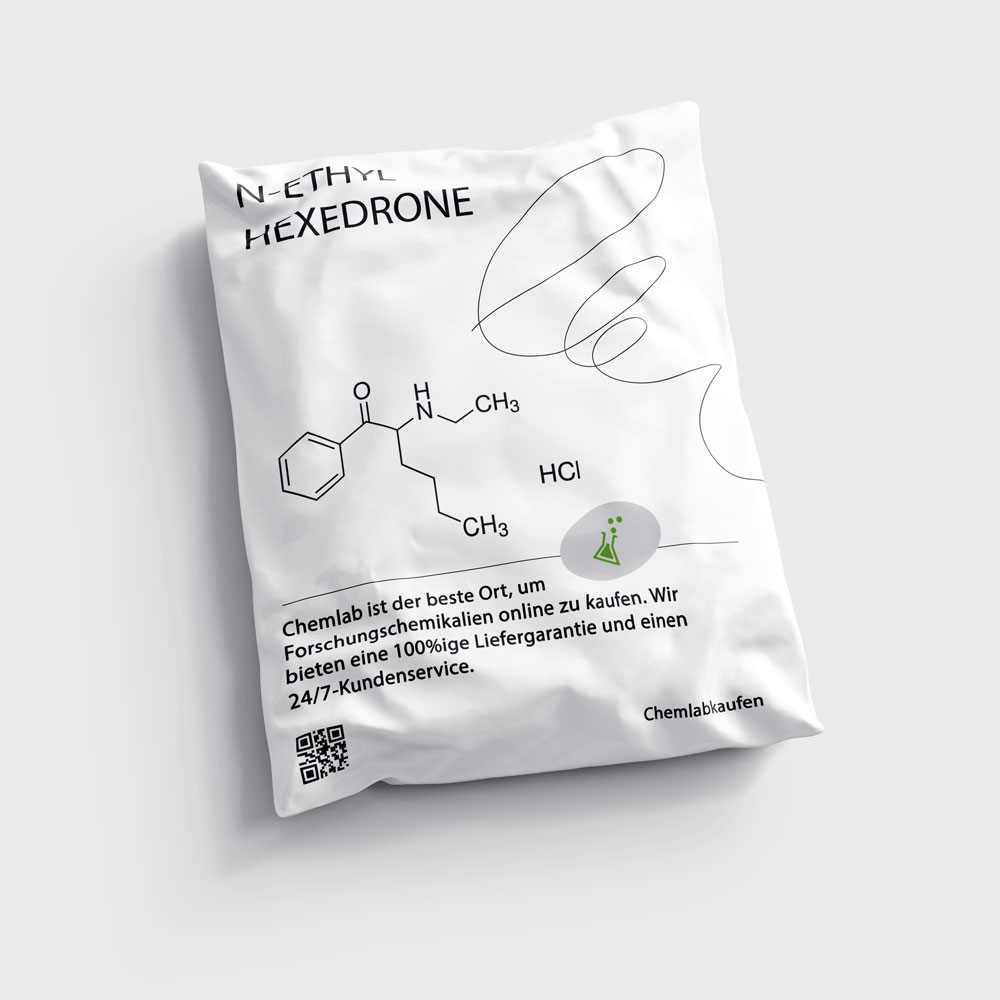 N-Ethyl-Hexedrone
€ 375 – € 5.500
Pulver-Referenzmaterialien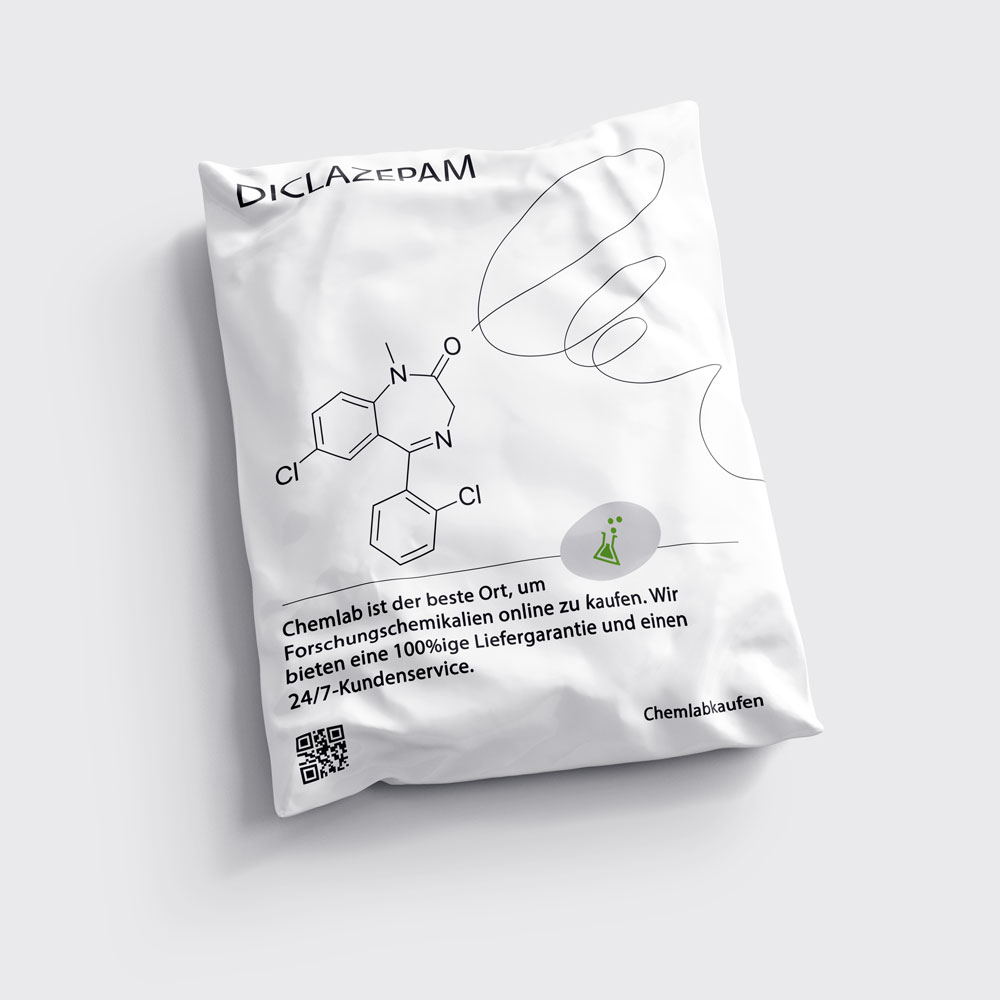 Diclazepam Pulver
€ 800 – € 14.000
Pulver-Referenzmaterialien 1cP-LSD 100MCG
€ 400 – € 1.200
Blotter-ReferenzmaterialienRelated articles
- Research Use Only: wat betekent deze status praktisch voor uw laboratorium?
De aanduiding 'research use only' bepaalt hoe een referentiemateriaal mag worden ingekocht, gebruikt en gedocumenteerd binnen een laboratorium.
- Laboratory Documentation and Record Keeping for Reference Materials
A practical guide to sample registration, chain of custody, notebook discipline and retention periods that keep laboratory records defensible.
- Importing Reference Materials into the EU: Customs, Documentation and Carriers
What laboratories should generally understand about customs, documentation and carriers when reference materials cross into or within the EU.
All materials referenced on chemlabkaufen.nl are supplied strictly for laboratory and research use. They are not intended for human or animal consumption, medical use or household use.