
Importing Reference Materials into the EU: Customs, Documentation and Carriers
Laboratories that source reference materials from outside their home country need a basic understanding of how customs, carrier requirements and shipping documentation interact — whether the shipment is moving between EU member states or arriving from outside the bloc. Even within the EU's single market, carriers and suppliers follow specific documentation and packaging practices for chemical shipments.
Getting this right matters for two reasons: it keeps shipments moving without unnecessary delay, and it gives the receiving laboratory a clean paper trail to file alongside its own inventory and compliance records. Most delays in practice come from missing or inconsistent documentation rather than the goods themselves.
This article gives a general overview of the documentation, incoterms and carrier considerations relevant to importing reference materials into the EU. It is not legal or customs advice — rules vary by country, by carrier and by the classification of the specific material, so laboratories should confirm requirements with their own customs broker or receiving institution where needed.
Intra-EU movement versus inbound shipments
Shipments moving between EU member states benefit from the single market, which generally removes formal customs declarations for goods already in free circulation. A laboratory in the Netherlands receiving a shipment from a supplier in Germany, for example, typically does not face a customs clearance step, though carrier documentation and any applicable transport declarations for hazardous goods still apply.
Shipments originating outside the EU are a different matter: these require a customs declaration, an assigned commodity code, and often a commercial invoice with accurate value and description. The receiving laboratory or its customs broker is usually responsible for ensuring these declarations are accurate and complete.
Core documentation for a compliant shipment
Regardless of origin, a well-documented shipment of reference materials generally includes a consistent set of paperwork that both the carrier and the receiving laboratory can rely on.
- Commercial invoice describing the goods, quantity and value
- Packing list matching the physical contents of the shipment
- Certificate of Analysis for the specific batch, where applicable
- Tracking reference from the carrier for chain-of-custody purposes
- Any carrier-specific hazardous goods declaration required for the transport mode
Matching documentation to the physical shipment
Discrepancies between the packing list and the actual contents are one of the most common causes of delay at any checkpoint. Suppliers and laboratories both benefit from double-checking that quantities, batch numbers and descriptions match exactly across every document.
Incoterms and who is responsible for what
Incoterms define which party is responsible for costs, risk and documentation at each stage of a shipment's journey. Understanding which incoterm applies to an order clarifies who handles customs formalities, who arranges insurance, and at what point risk transfers from supplier to buyer.
Common terms in supplier relationships
Many smaller laboratory suppliers ship on a delivered basis, meaning the supplier arranges carriage and the buyer's responsibility begins on receipt. Larger institutional orders may instead specify ex-works or free-carrier terms, shifting more responsibility — and more control over carrier selection — to the buyer.
Choosing and working with carriers
Carrier selection affects transit time, tracking visibility and how hazardous or restricted goods declarations are handled. Laboratories that order regularly often develop a preference for carriers with reliable tracked service and consistent handling of chemical shipments.
- Confirm the carrier supports tracked delivery with delivery confirmation
- Check whether the carrier requires additional declarations for the shipment type
- Clarify who is contacted if a shipment is delayed or held at a checkpoint
- Keep the tracking number on file alongside the purchase order and invoice
What to do if a shipment is delayed
Delays can occur for reasons unrelated to the goods themselves — incomplete address information, a documentation mismatch, or routine checks at a border point. In most cases, contacting the supplier with the tracking number is the fastest way to get an update, since the supplier can often communicate directly with the carrier.
Institutions should record any delay and its resolution in their own procurement log, particularly if the delay affects a time-sensitive research schedule, so the information is available for future supplier evaluation.
How ChemLab Kaufen manages shipping and documentation
ChemLab Kaufen ships from Berlin across the EU, with a particular focus on the Netherlands, using tracked delivery and discreet, neutral packaging. Orders are typically processed within 1–2 business days, and Certificates of Analysis are provided where available so laboratories have documentation to file on arrival.
For questions about a specific shipment, tracking status, or documentation needed for a customs or institutional record, the support team is available via support@chemlabkaufen.nl, WhatsApp (+49 1578 3358297), or live chat on the website.
Conclusion
Whether a shipment moves within the EU's single market or arrives from outside it, consistent documentation — invoices, packing lists, Certificates of Analysis and tracking references — is what keeps reference material shipments moving smoothly and keeps a laboratory's own records complete. Understanding incoterms and carrier responsibilities also clarifies who to contact when something needs attention.
This overview is general in nature and does not replace customs or legal advice specific to your country or institution; laboratories should confirm requirements with their own customs broker or compliance office where needed. If you have questions about documentation for an upcoming order, reach out to ChemLab Kaufen's support team before placing your order.
Frequently asked questions
Do I need a customs declaration for shipments between EU countries?
Generally no, because goods already in free circulation within the EU move under single market rules without a formal customs declaration. Carrier documentation and any hazardous goods declarations may still apply depending on the transport mode.
What documents should I keep after receiving an international shipment?
Keep the commercial invoice, packing list, Certificate of Analysis, and tracking confirmation together in your procurement or inventory records. This set of documents supports both compliance reviews and future supplier evaluation.
What are incoterms and why do they matter for laboratory orders?
Incoterms define which party — supplier or buyer — is responsible for costs, risk and documentation at each stage of shipping. Knowing the applicable term clarifies who handles customs formalities and when responsibility for the shipment transfers.
What should I do if my shipment is delayed?
Contact the supplier with your tracking number first, since they can often liaise directly with the carrier. Record the delay and its resolution in your own procurement log, especially if it affects a research timeline.
Does ChemLab Kaufen use tracked shipping?
Yes, all orders ship with tracked delivery in discreet, neutral packaging from Berlin across the EU. Tracking details are provided so you can monitor the shipment and file the reference alongside your own records.
Can ChemLab Kaufen advise on customs rules for my specific country?
No, ChemLab Kaufen does not provide customs or legal advice. We recommend confirming country-specific import requirements with your own customs broker, compliance office, or the relevant national authority.
Browse the catalogue
Reference materials discussed in this guide
 6-APB
6-APB€ 390 – € 5.800
Pulver-Referenzmaterialien O-DSMT
€ 395 – € 5.400
Pulver-Referenzmaterialien 5f MDMB 2201
€ 430 – € 6.600
Pulver-Referenzmaterialien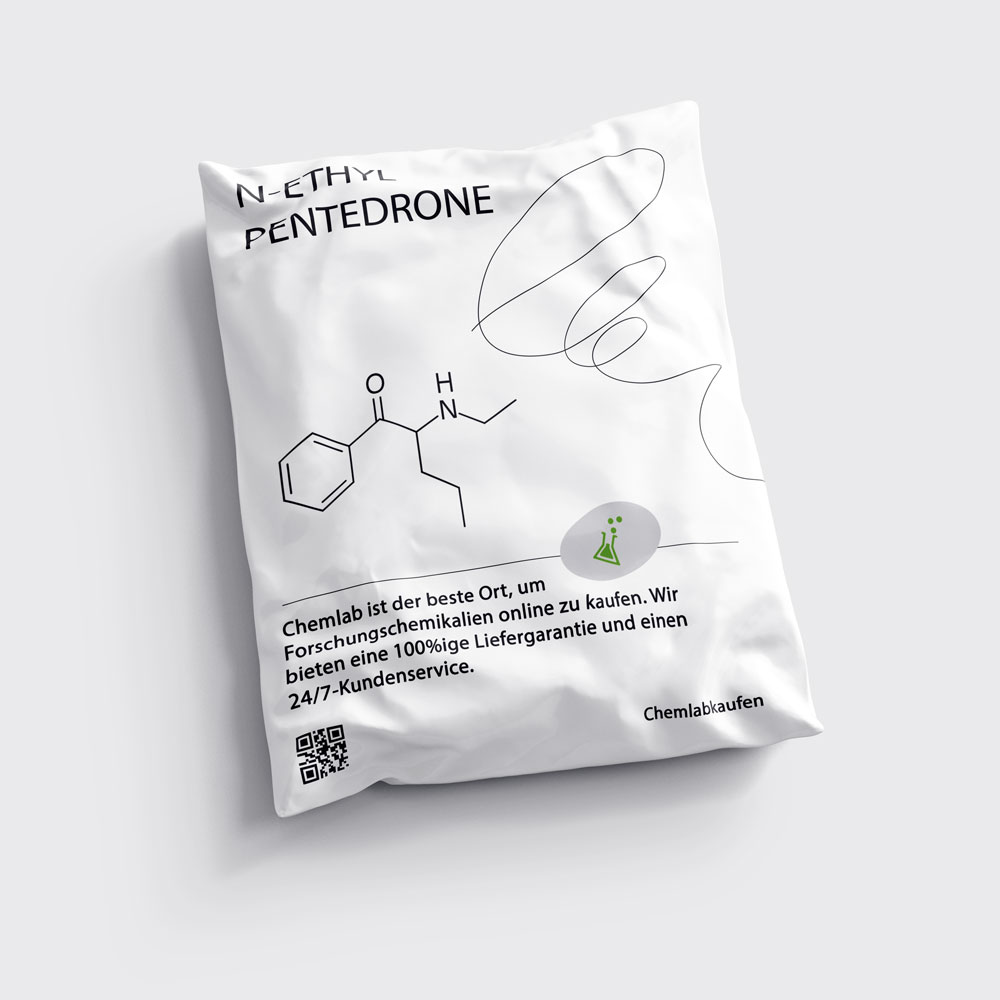 N-Ethyl-Pentedrone
€ 385 – € 5.700
Pulver-ReferenzmaterialienRelated articles
- Nederlandse en EU-regelgeving voor laboratoriumchemicaliën: een overzicht
Een algemeen overzicht van hoe Nederlandse en Europese regelgeving raakt aan de inkoop, opslag en documentatie van laboratoriumchemicaliën.
- Research chemicals bestellen: het bestelproces en levering in Europa
Een overzicht van het volledige bestel- en leveringsproces voor research chemicals binnen de Europese Unie, van bestelling tot ontvangst.
- Ordering FAQ: Lead Times, Packaging and Tracking Explained
A plain-language walkthrough of how ordering, processing, packaging and tracking work when buying laboratory reference materials online.
All materials referenced on chemlabkaufen.nl are supplied strictly for laboratory and research use. They are not intended for human or animal consumption, medical use or household use.