Responsible Disposal of Research Materials in the Laboratory
Every reference material a laboratory receives eventually reaches the end of its useful life, whether because it has been fully consumed, has passed its retest date, or is simply no longer needed for an active project. What happens at that point is just as much a matter of laboratory practice as how the material was stored or documented while it was in active use. Responsible disposal protects staff, the environment and the laboratory's own compliance record.
This article outlines, at a general level, how laboratories typically classify chemical waste streams, why licensed waste contractors are used rather than informal disposal routes, and what documentation should accompany every disposal event. It does not provide substance-specific disposal instructions — those decisions depend on local waste regulations and should always be confirmed with a licensed contractor or an institutional environmental health and safety office.
Laboratories that keep good records throughout the lifecycle of a reference material, from the point of purchase through storage and use, find that the final disposal step is far simpler to document correctly, since the batch history and quantity used are already on file.
Why disposal deserves the same rigour as storage
It is easy to think of disposal as the end of a material's story and therefore lower priority than its receipt or storage. In practice, disposal carries its own risks and its own regulatory obligations, and a poorly documented disposal event can undermine an otherwise well-run inventory and record-keeping system. Treating disposal as a formal, documented step — not an informal clearing-out of a shelf — keeps the whole lifecycle of a reference material auditable from start to finish.
Classifying waste streams
Laboratory waste is rarely a single category. Most facilities separate waste into distinct streams based on its properties, since each stream typically requires different handling, storage and disposal routes.
- Chemical waste requiring specialist treatment or incineration
- Contaminated packaging and containers that held reference materials
- General laboratory consumables with no hazardous residue
- Sharps and other physical hazards generated during handling
Segregation at the point of generation
Waste is easiest to classify correctly at the moment it is generated, rather than sorted retrospectively. Laboratories typically place labelled waste containers at each workstation so that material is routed to the correct stream immediately, reducing the chance of incompatible materials being mixed.
Working with licensed waste contractors
Chemical waste from a laboratory setting is, in most jurisdictions, subject to specific regulatory requirements that go beyond standard municipal waste collection. Engaging a licensed hazardous waste contractor ensures that material is transported, treated and disposed of in line with those requirements, and that the laboratory has documented evidence of proper handling.
- Verify a contractor's licence or permit before engaging their services
- Confirm the contractor's disposal or treatment route for each declared waste stream
- Package and label waste in line with the contractor's stated requirements before collection
- Retain copies of all documentation the contractor provides at collection and after treatment
Documenting the disposal process
Just as receipt and storage of a reference material generate a documented trail, disposal should generate its own paper trail that ties back to the original inventory record. This closes the loop on the material's full lifecycle within the laboratory's records.
- Record the decision to dispose, including the reason and the accession number of the material involved
- Note the final quantity disposed of, reconciled against the last recorded inventory balance
- File the waste transfer note, consignment note or equivalent document issued by the contractor
- Update the inventory register to close out the accession as disposed, with a date and responsible signatory
Waste transfer and consignment notes
Most licensed contractors issue a formal document at the point of collection — often called a waste transfer note or consignment note — that describes the waste, its quantity and its intended treatment. This document should be retained by the laboratory for the retention period required by local regulation, and cross-referenced against the internal inventory record for the material.
Internal approval and sign-off
Many laboratories require that disposal of reference material stock above a certain quantity, or disposal of higher-control materials, be approved by a designated supervisor before it takes place. This mirrors the two-person verification often applied to significant stock withdrawals and reduces the chance of material being disposed of prematurely or without proper documentation.
Reviewing disposal practice periodically
As with any other laboratory procedure, disposal practice benefits from periodic review. Checking that waste streams are still correctly classified, that the licensed contractor's permit remains current, and that documentation is being filed consistently helps a laboratory catch small process gaps before they become larger compliance issues.
Conclusion
Responsible disposal closes the lifecycle of a reference material with the same rigour applied at every earlier stage: correct classification of the waste stream, engagement of a properly licensed contractor, and thorough documentation that ties the disposal event back to the original inventory record. Treating disposal as a formal procedure rather than an afterthought protects staff, the environment and the laboratory's own audit trail.
A well-documented purchase makes a well-documented disposal considerably easier, since the batch history and quantities are already on file. ChemLab Kaufen supplies research chemicals with clear batch documentation designed to support a laboratory's full lifecycle record keeping, from receipt through to eventual disposal — for questions about documentation on a specific order, contact support@chemlabkaufen.nl or WhatsApp.
Frequently asked questions
Why can't laboratory chemical waste be disposed of through general waste collection?
Chemical waste is subject to specific regulatory requirements in most jurisdictions that go beyond standard municipal collection, covering how it must be classified, packaged, transported and treated. Licensed hazardous waste contractors are equipped and permitted to meet these requirements, which general waste services are not.
What should a laboratory check before engaging a waste contractor?
Verify that the contractor holds a current, valid licence or permit for the specific waste streams the laboratory generates, and confirm their intended disposal or treatment route. Retaining a copy of their licence alongside collection paperwork supports the laboratory's own compliance record.
What is a waste transfer or consignment note?
It is a formal document issued by a licensed contractor at the point of collection, describing the waste type, quantity and intended treatment. It should be retained for the locally required retention period and cross-referenced against the laboratory's internal inventory record for the disposed material.
Should disposal quantities be reconciled against inventory records?
Yes. The final quantity disposed of should be checked against the last recorded inventory balance for that accession before the record is closed out. Any variance should be investigated in the same way as a routine stock reconciliation discrepancy.
Does disposal require internal sign-off?
Many laboratories require a designated supervisor to approve disposal of stock above a set quantity or of higher-control materials before it proceeds. This mirrors verification requirements used for significant stock withdrawals and reduces the risk of undocumented disposal.
How does good purchasing documentation help at the disposal stage?
Clear batch numbers and quantities recorded at purchase and throughout storage make it far easier to confirm exactly what is being disposed of and to reconcile the final quantity. It shortens the time needed to prepare accurate disposal paperwork at the end of a material's lifecycle.
Browse the catalogue
Reference materials discussed in this guide
 3-FPM
3-FPM€ 365 – € 5.300
Pulver-Referenzmaterialien 6-APB
6-APB€ 390 – € 5.800
Pulver-Referenzmaterialien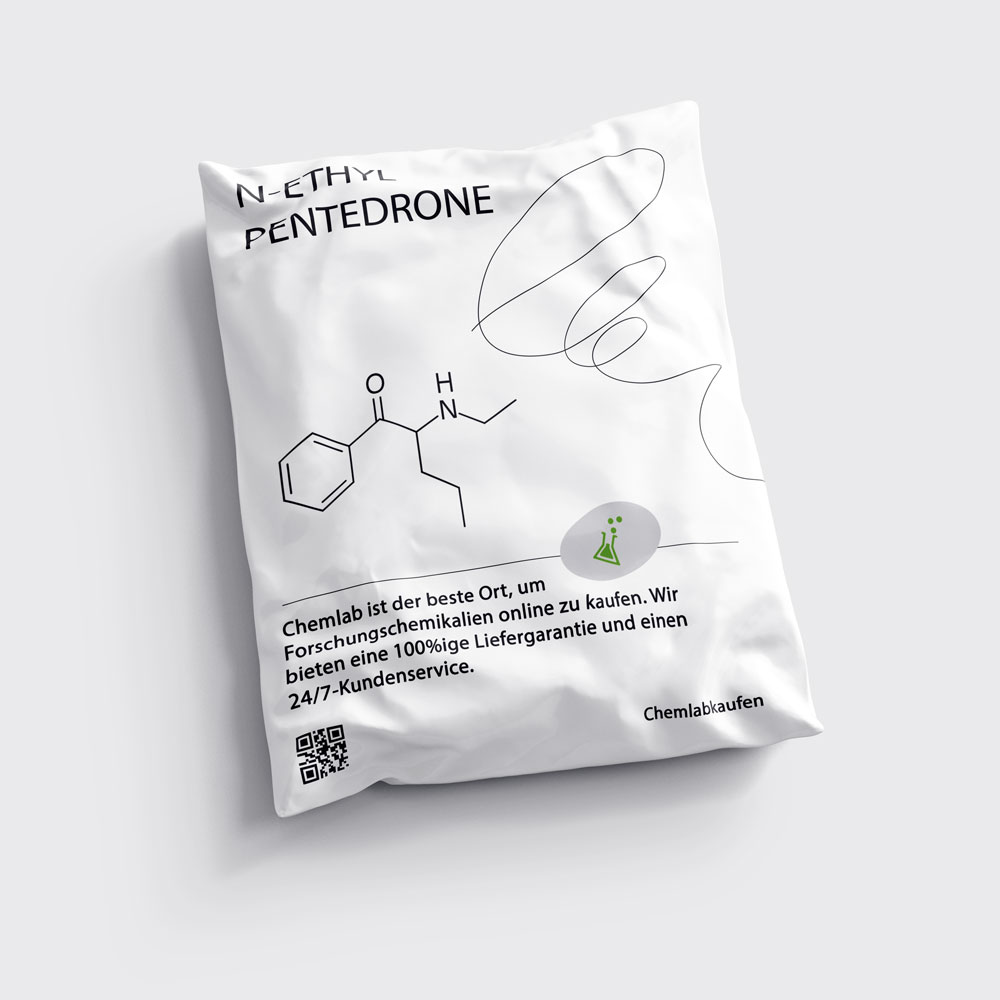 N-Ethyl-Pentedrone
€ 385 – € 5.700
Pulver-Referenzmaterialien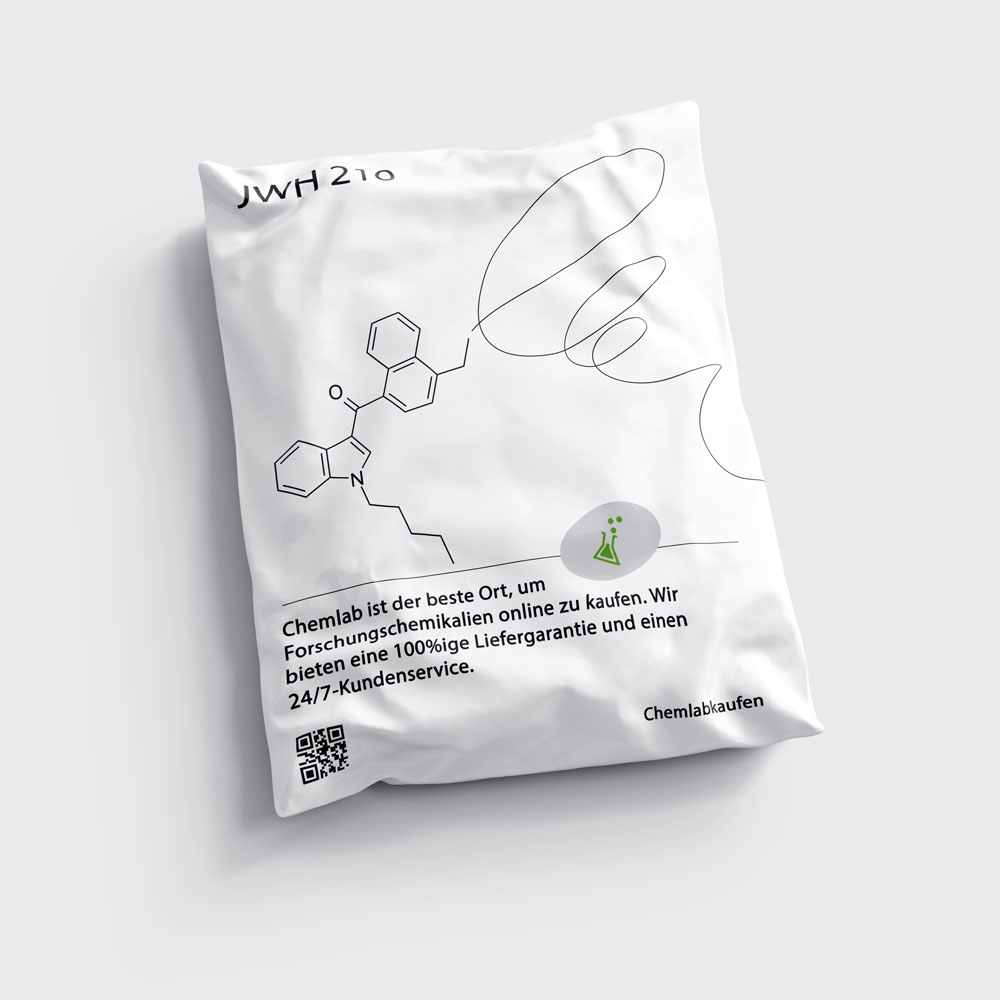 JWH 210
€ 420 – € 6.400
Pulver-Referenzmaterialien 2-MMC
2-MMC€ 360 – € 5.200
Pulver-ReferenzmaterialienRelated articles
- Laboratory Labelling and Inventory Control for Research Chemicals
A practical overview of labelling conventions and inventory register practices that keep laboratory reference material stock traceable and easy to audit.
- Laboratory Documentation and Record Keeping for Reference Materials
A practical guide to sample registration, chain of custody, notebook discipline and retention periods that keep laboratory records defensible.
- Nederlandse en EU-regelgeving voor laboratoriumchemicaliën: een overzicht
Een algemeen overzicht van hoe Nederlandse en Europese regelgeving raakt aan de inkoop, opslag en documentatie van laboratoriumchemicaliën.
All materials referenced on chemlabkaufen.nl are supplied strictly for laboratory and research use. They are not intended for human or animal consumption, medical use or household use.